Texas Governor Bans Mask Mandates in Public Schools
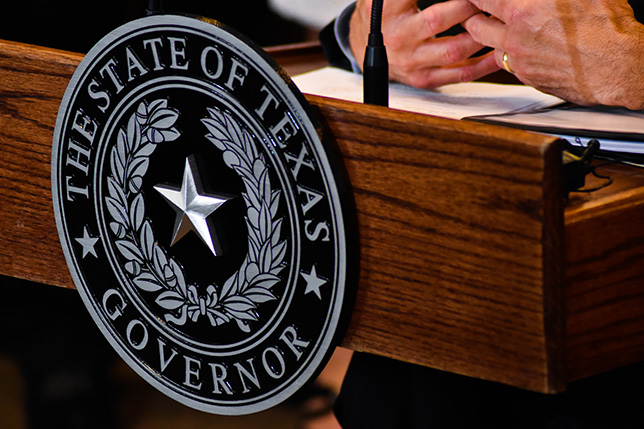
On Tuesday, May 18, Texas Governor Greg Abbott signed an executive order banning government entities in the state—including county, city, and public health authorities—from requiring face masks. The order takes effect on May 21 and carries a fine of up to $1,000. The order specified that, effective June 5, public schools are also prohibited from instituting mask mandates. The order applies to the state’s public colleges and universities, as well.
“The Lone Star State continues to defeat COVID-19 through the use of widely available vaccines, antibody therapeutic drugs, and safe practices utilized by Texans in our communities,” said Abbott. “Texans, not government, should decide their best health practices, which is why masks will not be mandated by public school districts or government entities. We can continue to mitigate COVID-19 while defending Texans’ liberty to choose whether or not they mask up.”
Exempt from the order are state-supported living centers, jails, government-owned and government-operated hospitals, Texas Department of Criminal Justice facilities, and Texas Juvenile Justice Department facilities.
Regarding public schools, the order states that “no student, teacher, parent, or other staff member or visitor may be required to wear a face covering.” The Texas Tribune reports that only 30% of Texans are fully vaccinated and that most children have not yet been eligible to receive the shot. The Pfizer vaccine was authorized for children ages 12 and older last week, while the Moderna and Johnson & Johnson vaccines are still limited to people ages 18 and older.
The order drew immediate criticism from education officials around the state. The Texas State Teachers Association called the move “premature,” while the Texas American Federation of Teachers said it was “unconscionable.”
“We know some school districts already have ended their mask mandates, and we believe that also is ill-advised,” said TSTA President Ovidia Molina. “The health and safety of our students, educators and communities must remain our first priority as we attempt to emerge from this pandemic.”
As the school year draws to a close, many education officials have expressed concern about the order’s effect on in-person summer school, as well as what the Austin-American Statesman called “a race to vaccinate kids” over the summer. Some officials tried to distinguish between legal requirements and practical measures of common sense.
“We know masks prevent COVID-19 from spreading, and there is nothing in the governor’s order that forbids people from wearing masks,” said Austin Independent School District Superintendent Stephanie Elizalde. “It only means we cannot require them. We encourage everyone to use their common sense and continue to follow advice from scientists when it comes to protecting themselves from the coronavirus.”
About the Author
Matt Jones is senior editor of Spaces4Learning. He can be reached at [email protected].