FreshAir Launches Smoking Detection Solution for Education Environments

Sensor solutions company FreshAir recently announced the launch of the FreshAir1 Smoking Detection System, according to a news release. The technology monitors for and detects tobacco and marijuana smoke, and it is geared toward use in school and university buildings—as well as dormitories—to help enforce non-smoking polices and protect infrastructure and other property.

The FreshAir sensors detect specific molecules in tobacco and marijuana smoke as opposed to use of light or radiation. Further, “the molecularly imprinted polymer that forms the sensor resets following smoking detection, thus enabling continued monitoring without additional upkeep,” the news release reports. The devices are tamper-proof and use a cloud-based monitoring platform to help deter standard efforts to avoid smoke detection.
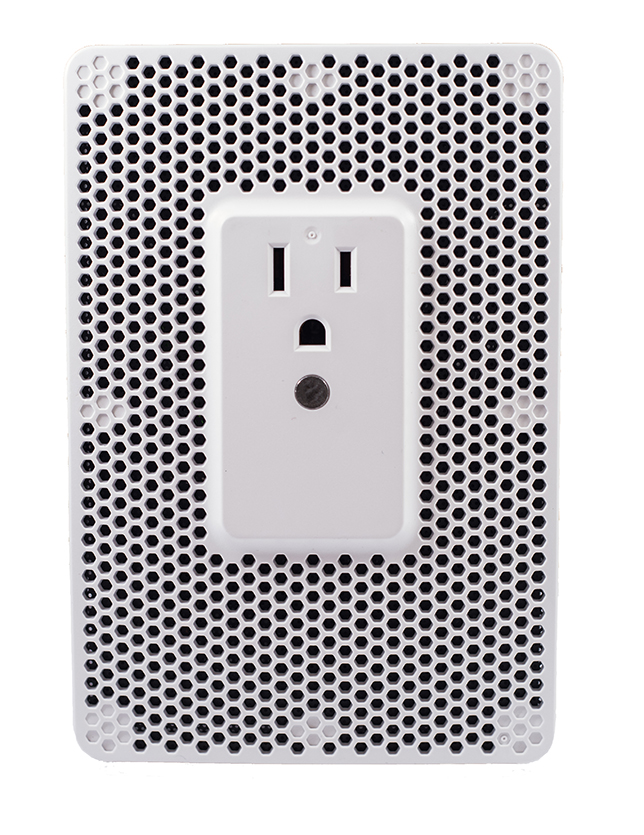
FreshAir Smoking Detection System
Image courtesy of FreshAir

The devices plug into standard outlets and are held in place with tamper-proof screws. The detection is WiFi-enabled, and each device connects to building networks to communicate continuously with the central monitoring platform. Each device can monitor up to 500 square feet of space.

When the device detects smoke, it sends an alert via email, desktop, or push notifications to a mobile device. The alerts include a timestamped report and the monitored location where it was detected, providing evidence to enforce building smoking policies. The accompanying mobile app and online portal include information like alert history, device information, and space to log additional information as needed, according to the press release.

About the Author

Matt Jones is senior editor of Spaces4Learning. He can be reached at [email protected].

Featured

  • Texas State University Completes Stadium Renovations

    Texas State University in San Marcos, Texas, recently announced that it has completed a series of additions and renovations to its football stadium, according to a news release. Formerly known as the Bobcat Stadium End Zone Complex, the Johnny and Nathali Weisman Football Performance Center is an 85,000-square-foot expansion featuring hospitality spaces, banquet spaces, exterior concourses, and upgrades to the field house.

  • University of Arizona Approves New Residence Hall

    The Arizona Board of Regents recently approved plans for a new residence hall at the University of Arizona in Tucson, Ariz., according to a news release. The new facility is scheduled to open in fall 2028 and have the capacity for more than 1,200 students, enforcing a new university expectation that all first-year students live on campus.

  • University of Rhode Island, Gilbane Partner for Three New Residence Halls

    The University of Rhode Island in Kingston, R.I., recently announced a public-private partnership with construction development firm Gilbane, according to a news release. Gilbane will soon start construction on three new residence halls with a total of 1,100 beds: two with apartment-style suites in northwest campus, and a reconstruction of the Graduate Village Apartments for graduate students.

  • Countway Library at Harvard Medical School

    From Shadows to Sanctuary: The Transformation of Light at Countway Library

    The renovation of Countway Library at Harvard Medical School demonstrates how biophilic design and advanced lighting strategies transformed a formerly dark, insular space into a vibrant, welcoming hub that supports wellness, learning, and community engagement.