Improving Classroom Security and Attendance
HID Global’s card personalization software enables DPS to create and issue 15,000 student ID cards during the first week of each school year.
It can be difficult to ensure school security and manage attendance. This was the case at Dayton Public Schools (DPS) in Dayton, Ohio. With 30 schools buildings and other centers housing roughly 15,000 students, DPS needed a universal, mandatory system for creating and managing student IDs.
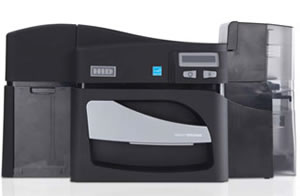
DPS’s new solution meets this challenge. Implemented by Plasco ID, it combines the PlascoTrac student tracking management system with FARGO DTC4500 desktop card printers/encoders from HID Global. The printers and software integrate seamlessly with DPS’ eSchoolPLUS web-based student-information system. HID Global’s Asure ID card personalization software enables DPS to create and instantly issue 15,000 customized student ID cards the first week of each school year. The new system not only improves issuance efficiency, but also enables DPS to process tardy students in 25 to 30 percent less time.
FARGO printers are field-upgradeable to support evolving requirements. With minimal training, staff can design card templates, enter data and create badges. The Asure ID LiveLink feature synchronizes ID badge data with the other systems’ attendance information. In addition to its logo and mission statement, DPS has integrated a large color photo and student name onto each card for more trustworthy authentication.
DPS can derive other value from the cards, including using them for library check-out, or to monitor cafeteria meal plan usage. They can also be used to track performance improvement programs, for visitor management and for fund-raising initiatives that involve monitoring purchases at participating stores and restaurants, a portion of which are donated to the schools. Dayton knows that security and attendance have improved with its new system, and there are many other ways to still further leverage its investment.
www.hidglobal.com
This article originally appeared in the School Planning & Management August 2013 issue of Spaces4Learning.