Dorm Room Safes Keep Belongings Secure
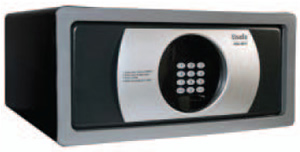
Henderson State University eliminated problems of theft in student dorms by using the Sentinel 2 safe to store important student belongings.
Today's students arrive on campus with cell phones, laptops, video games, digital cameras — the list grows every year. Keeping track of all this must-have “stuff” is a challenge for even the most organized student, and the sock drawer just isn’t cutting it anymore. Henderson State University in Arkadelphia, AR, was no different than any other school and was unfortunately experiencing “crimes of opportunity” regarding these devices. Action needed to be taken.
Dan Mabery, assistant vice president for student affairs/director of residence life knew exactly what to do: contact SafeDecisions. “Since we installed safes in our residence halls, the theft has virtually disappeared. The students, parents as well as the school have real peace of mind,” says Mabery. “We love that it is large enough to hold a laptop, and that the company is very customer service-oriented and flexible. This is something every university should try to work into their budget.”
What made the safes so successful at Henderson State is the fact that there are no keys to lose, and 24/7 customer support is always just a phone call away. Schools like Henderson State are able to quickly and efficiently implement an anti-theft program without investing considerable time or energy — both valuable resources for any college administrator.
SafeDecisions installs the same safes found in the Waldorf Astoria and the Ritz-Carlton in student residences across the country. SafeDecisions has already installed thousands of in-room electronic safes at some of the country’s most well known schools, including Brown, Rutgers, Northeastern, Seton Hall and the University of Pennsylvania.
Whether it’s a laptop, digital camera or prescription medication, all college students have important belongings they don’t want to lose. With electronic in-room safes from SafeDecisions, now they have one place where they know they can always find those things quickly.
www.safedec.com/universities
This article originally appeared in the College Planning & Management December 2013 issue of Spaces4Learning.