Oil Boom Funds Collaborative Learning Future
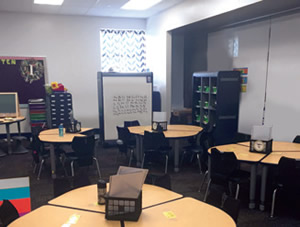
Furniture from Smith System helped turn the MISD elementary schools into fully-functional 21st century learning environments.
Midland Independent School District (MISD) in West Texas has approximately 24,000 students spread throughout its many campuses. Recently, the district faced a major challenge — a population boom, fueled by surging oil production in the area’s Permian Basin.
Between 2010 and 2014, Midland’s community population increased by nearly 25 percent. In turn, new families swelled the district’s K-12 classrooms to capacity, requiring the district to install over 75 portable classrooms throughout its 36 campus sites. This strain was particularly felt in the primary grades.
In November 2012, voters passed a history-making $163 million elementary schools bond initiative. The bond would provide major funds for renovations and improvements at MISD’s 24 elementary campuses, and construct three new K-6 elementary schools (opened in fall 2015).
For MISD educators and staff, the bond offered tremendous opportunity to provide 21st Century Learning environments for its youngest students.
For classroom furniture, the district wanted to look at higher quality products with a longer life span and the ability to foster the desired collaborative environment. Lone Star Furnishings, an independent furniture distributor working with MISD, suggested MISD’s team visit the showroom of Smith System, a K-12 furniture manufacturer, in Plano, TX.
The choice was clear. MISD made Smith System its district standard for elementary furnishings purchased with the new bond money — for existing elementary schools and the new ones built. To fit the collaborative learning model, the district chose classroom furniture and storage units with casters for quick reconfiguration, and seating with maximum flexibility to help keep kids comfortable and focused.
www.smithsystem.com
This article originally appeared in the issue of .