Raising the Bar on Campus Security
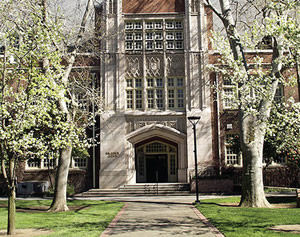
University of the Pacific was looking to elevate their level of campus security and found CyberLock’s system to be an indispensible part of the process.
University of the Pacific, located in Stockton, CA, made a decision to elevate the level of safety and security on their campuses and in their buildings. Robert Miller, card system manager at Pacific, says, “We were not experiencing security problems, but were looking for solutions that would reduce the potential for problems in the future.”
University of the Pacific had online and off-line card systems in place but was lacking in the effective control of areas that continued to utilize traditional mechanical locks and keys. “There were thousands of mechanical keys out there with 24/7 access to our buildings. We had no clear accountable way to know if these keys were lost, or being copied and used by unauthorized people.”
Pacific began looking for a product that could provide controlled access and accountability with the flexibility to work hand-in-hand with their existing card systems. Pacific began installing the CyberLock electronic lock system by converting their mechanical locks to electronic locks simply by replacing the existing lock cores with electronic cores. No structural changes were needed to install the system.
With the CyberLock system in place, each person’s key is programmed with his or her own individual access privileges and time schedules. If someone loses the electronic key, the key can be quickly blocked from the system, making it inactive.
“The audit trail the Cyberlock system provides us is of utmost importance and has certainly raised the bar of security on our campus. It also reduces our exposure to HR incidents. We can tell who and when someone has accessed particular buildings at any given time through the audit reports. The system shifts more responsibility onto people when they know that every time they enter a building, it is being recorded,” Miller affirms. “I recommend the CyberLock system to other colleges every chance I get,” he adds.
www.cyberlock.com
This article originally appeared in the College Planning & Management April 2018 issue of Spaces4Learning.