Campus Ministry Building Planned for Hope College

Hope College in Holland, MI, is preparing for construction to begin on the college’s new home for its Campus Ministries Program. The structure will reside in the central area of campus, in the place of two older buildings, which are set to be demolished.
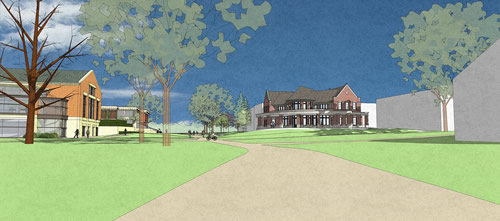
Hope College

The 11,000-square-foot building will include a covered porch, a library, a commons area, and a prayer alcove. The new space, part of a faith formation initiative on campus, will be started in fall of 2018 with the overall project set to be completed in the fall of 2019.

Featured

  • LSU Breaks Ground on $200M Residential Project

    Louisiana State University in Baton Rouge, La., recently broke ground on a new residential complex, according to university news. The South Quad residential project will consist of two buildings and add a total of 1,266 beds for freshmen students. The development comes with a price tag of $200 million, and it’s scheduled to open to students in fall 2027.

  • Massachusetts K–12 District Selects Architect for New Junior High

    Swansea Public Schools in Swansea, Mass., recently announced that it has selected Finegold Alexander Architects to design a new junior high school for the district, according to a news release. The firm will create the Feasibility Study and Schematic Design for Joseph Case Junior High School after a lengthy selection process by the Massachusetts School Building Authority (MSBA).

  • How a Portable Sink Helped an Art Classroom Run More Smoothly

    Classroom design decisions can have outsized effects on instructional time and safety at schools juggling mismatched infrastructure, strict budgets, and crowded schedules — particularly in the arts. Between spilled paint and dirty brushes, art classes run smoother with a sink in the studio. But many schools don’t have a sink in every art classroom.

  • Little Grand Market

    Designing for Belonging: Why Student Wellness Starts with Space

    From walkable site planning to flexible interiors, intentional design choices play a critical role in how students experience comfort, connection, and community.