Rapid Dx Laboratory, Ginkgo Bioworks Partner to Offer Pooled COVID Testing
Rapid Dx Laboratory has announced a partnership with Concentric by Ginkgo to provide pooled COVID-19 testing to K–12 schools in both in-person and hybrid learning environments.
Rapid Dx Laboratory, a molecular diagnostics laboratory based in Houston, Texas, offers an average 12–16-hour turnaround for test results on thousands of samples per day. The lab has served private companies, long-term care facilities, underserved communities, and private schools and daycares during the last year. Concentric by Ginkgo, a public health and biosecurity program at Ginkgo Bioworks, has set the goal of providing pooled testing to every school in the U.S. It runs testing in more than 15 states and has partnered with more than 800 schools.
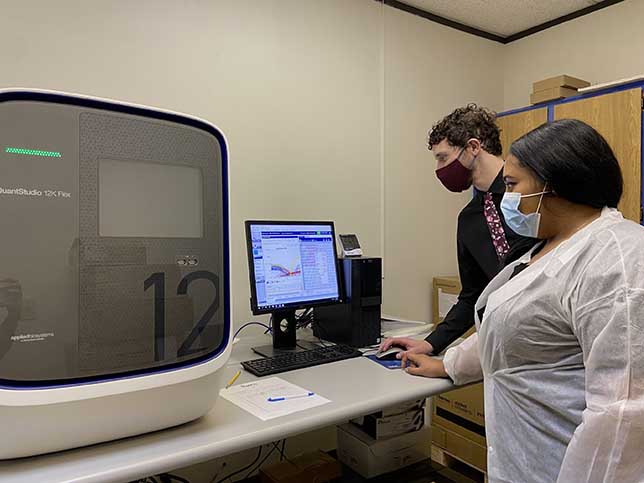
Pooled testing involves combining swabs from all consenting individuals in a single classroom and runs them as a single test. The process can increase the number of tests processed in a single go, and it also reduces the cost of the procedure for institutions.
“Rapid Dx Labs is incredibly honored to be partnered with Ginkgo Bioworks for such a historic effort,” said the Rapid Dx Founding Board members in a press release. “We need to prioritize children and their education, and we need to be taking any step that would help ensure a swift return to learning in person for our next generation. We must educate and highlight the importance of the role their participation in pooled classroom testing plays for the betterment of our future.”
“Pooled testing is a powerful testing modality for schools looking to operate in-person or hybrid learning environments,” said CEO and co-founder of Ginkgo Bioworks Jason Kelly. “Having the ability to test every student, every week, means that a community can, in a data-driven way, build confidence around the mitigation strategies they’re using to interrupt viral transmission.”
About the Author
Matt Jones is senior editor of Spaces4Learning. He can be reached at [email protected].