Ensuring healthy air in your campus facilities contributes to the well being of your students and staff. Here’s how to breathe easy.
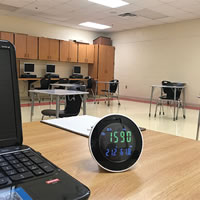
Expecting children to learn in poorly ventilated classrooms is like requiring them to read blurry textbooks.

The EPA says improving indoor air quality can improve the performance of students and faculty

The EPA says improving indoor air quality can improve the performance of students and teachers.
Allergen triggers often exceed safe thresholds in school buildings. The first commercial vacuum certified asthma & allergy friendly by the Asthma and Allergy Foundation of America can help reduce exposure.
School air quality issues can affect absenteeism and student test scores. Rigorous cleaning using machines certified with the Carpet and Rug Institute’s (CRI) Gold Seal of Approval can help.
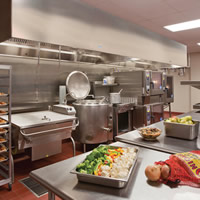
Foodservice facilities have specific needs. Here are some things to think about when it comes to one of those needs: healthy indoor air quality.
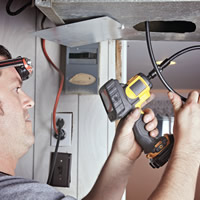
Dirty classroom air can slow learning and even make students and teachers sick. Find out how to improve indoor air quality or IAQ.

Educational institutions face mounting risks from mold, asbestos and hidden underground environmental issues.
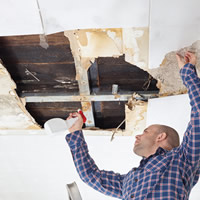
If you graded the indoor air in your buildings, would it pass or fail?
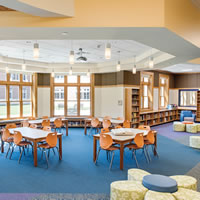
Research shows that students — as well as teachers — perform better when schools implement indoor air quality programs.
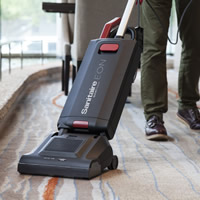
Are your floors really clean? Following carpet cleaning guidelines play a critical role in meeting school cleaning standards, removing allergens and reducing student and faculty absenteeism.
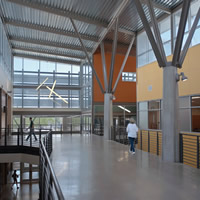
The benefits for students, teacher and other occupants are too compelling to ignore.
Facilities managers must often consider green options for dealing with common indoor hazards and contaminants, including mold, asbestos, lead, pests and more.
Facilities and the conditions of the learning environment have an effect on students and staff.