Recycling Resources
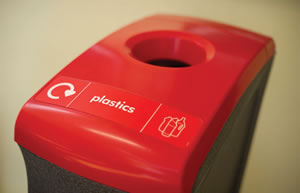 Colleges and universities can find advice and assistance in working towards zero-waste from numerous resources. From recycling electronics to repurposing surplus furniture, composting food scraps and more, if it can be reused or recycled, options for doing so are available. Here are just a few outlets for information.
RECYCLEMANIA
www.recyclemaniacs.org
Launched in 2001, RecycleMania is a friendly competition and benchmarking tool for college and university recycling programs to promote waste reduction activities to their campus communities. Over an eight-week period each spring, schools across North America report the amount of recycling and trash collected each week and are in turn ranked in various categories based on who recycles the most on a per capita basis, as well as which schools have the best recycling rate as a percentage of total waste and which schools generate the least amount of combined trash and recycling.
COLLEGE AND UNIVERSITY RECYCLING COALITION (CURC)
www.curc3r.org
CURC is a membership-based nonprofit organization facilitating the exchange of technical knowledge and best practices on recycling and waste reduction programs among institutions of higher learning. Originally formed in 1992, CURC became a technical council of the National Recycling Coalition in 1995 before branching off as an independent organization in 2009. CURC supports collegiate recycling programs through technical assistance, education and training, including a webinar series, annual workshops and the development of best-practices manuals and toolkits.
POST-LANDFILL ACTION NETWORK (PLAN)
www.postlandfill.org
Launched in 2013, PLAN is helping to build student-led, self-sustaining waste-reduction programs at universities nationwide. PLAN provides student groups with advising, best practice guides, start-up funding and other resources to help launch or expand programs that keep reusable items on campus and out of landfills. PLAN also helps students conduct waste audits and work with their schools and peers to design and implement solutions that cut waste year-round. PLAN supports academic research internships that allow students to research and innovate new ways to end waste.
IRN – THE RECYCLING NETWORK / IRN SURPLUS
www.ir-network.com
www.irnsurplus.com
IRN’s core mission is to make recycling as easy and cost effective as possible, no matter what needs to be recycled. IRN Surplus has placed more than 25 million pounds of healthcare, education and corporate surplus with U.S. and international charities for reuse in disaster relief and economic development projects.
GRASSROOTS RECYCLING NETWORK (GRRN)
www.grrn.org
GRRN is a national network of waste-reduction activists and recycling professionals who set ambitious standards for zero-waste goals and policies. GRRN provides opportunities for ongoing, meaningful participation in campaigns and building coalitions to achieve zero-waste policies, businesses and communities.
ALSO:
AASHE (ASSOCIATION FOR THE ADVANCEMENT OF SUSTAINABILITY IN HIGHER EDUCATION)
www.aashe.org
SECOND NATURE
www.secondnature.org/search/node/recycling
NATIONAL WILDLIFE FEDERATION – CAMPUS ECOLOGY
www.nwf.org/campus-ecology
This article originally appeared in the issue of .