Energy Efficiency Equals Big Savings for College
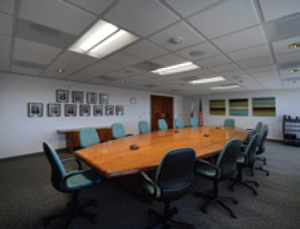
Through the use of Cree’s SmartCast Technology, the San Diego Community College District was able to free up money for other projects and meet their energy-savings goals.
With the passing of California’s Clean Energy Jobs Act (Proposition 39), Chris Manis, vice chancellor of Facilities Management for the San Diego Community College District (SDCCD), saw a golden opportunity to finance facility upgrades across his campus system. A state program providing funding for improving energy efficiency, Prop 39 makes available up to $550 million annually to eligible educational agencies to pay for energy projects with a strong return on investment.
As the second largest community college district in the state, SDCCD continues to grow rapidly, tripling their footprint in less than 10 years while at the same time maintaining their commitment to sustainability. Manis had an extensive wish list of energy-saving projects, so he and his team set to work submitting their energy expenditure plan applications.
It quickly became apparent that lighting projects were the preferred funding recipients. As Manis explains: “If I save 20 percent on my electric bill, then those dollars became available for other projects. We call lighting the low-hanging fruit because it has one of the largest savings potentials, especially when upgrading older facilities that still have incandescent or older fluorescent fixtures.” Once funding was secured, SDCCD worked with several partners to find a lighting solution that would have the largest ROI while meeting socially responsible investment goals. One name rose to the top — Cree.
As Andrew Hoerner, energy solution sales manager for Rexel, explains: “With the CR Series troffers, these high-efficiency fixtures were a great way to demonstrate the benefits of LED not only with energy savings, but we had the added benefits and attributes of controls tied into Title 24.” Hoerner continues, “Rexel’s Energy Service team identified Cree’s SmartCast Technology as the best fit for energy savings, ease of install, Title 24 compliance, rebate eligibility and end-user comfort. We were able to come up with the ultimate solution that the campus folks are very happy about.”
www.cree.com
This article originally appeared in the issue of .