Boat-to-School
- By Nancy Fitzpatrick
- 12/01/16
 A new pilot school
program is helping children learn
more about local U.S. sustainable
seafood and the benefits of eating seafood
as part of a healthy diet. The initiative is led
by the Oregon Albacore Commission (OAC),
is funded by a $15,400 Farm to School grant
from the Oregon Department of Education,
and is supported by the Marine Stewardship Council (MSC). Starting
this school year, students from Seaside, Ore. will be involved in
a first-of-its-kind boat-to-school program.
A new pilot school
program is helping children learn
more about local U.S. sustainable
seafood and the benefits of eating seafood
as part of a healthy diet. The initiative is led
by the Oregon Albacore Commission (OAC),
is funded by a $15,400 Farm to School grant
from the Oregon Department of Education,
and is supported by the Marine Stewardship Council (MSC). Starting
this school year, students from Seaside, Ore. will be involved in
a first-of-its-kind boat-to-school program.
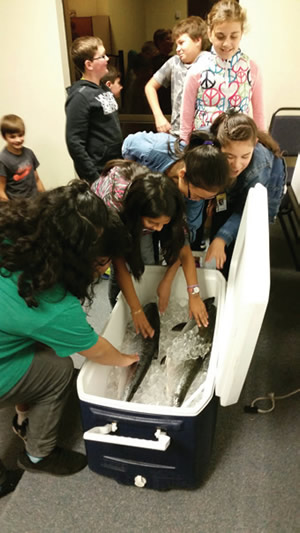
During the academic year, students will learn about five wild
and locally sourced seafoods, most of which are certified by the
MSC for sustainability. The program started with salmon in
October. The next fishery will be groundfish in December, followed
by Dungeness crab in January, albacore tuna in March, and then
coming to a close with jordani pink shrimp in May. Students learn
about these species’ roles in a healthy ecosystem, the impact of the
local seafood supply chain within their communities, and experience
the health benefits of Oregon-caught seafood through field
trips and hands-on activities.
The five-pronged program goes beyond just serving seafood to
students. During assemblies and classroom time, guest speakers from
the Oregon Albacore Commission, Oregon Trawl Commission, Oregon
Dungeness Crab Commission, Oregon Salmon
Commission, as well as fishermen from each
fishery, guide the kids in hands-on activities
teaching the impact of locally-caught seafood
in their community. This includes culinary
events with the commissions working alongside
students to prepare seafood tastings to be enjoyed by classrooms. In
October, students even took a field trip to a local salmon hatchery.
Another main component of the program is the take-home dinner
kits. Students can take home a reusable grocery bag holding
recipes in English and Spanish along with many of the necessary
ingredients including the seafood to prepare meals at home with
their families. Students already enjoyed a salmon kit, and will be
given an albacore kit in March.
The commissions are also creating workbooks, posters, and
nutritional guides for the students with educational information
and lesson plans to be completed during class. These activities
meet STEM and Common Core guidelines.
 The OAC aims to educate and bring excitement about seafood
to Seaside’s youth and their families. The OAC is proud of their
fleet of artisan fishermen sustainably harvesting truly wild albacore
and their processors who are committed to providing them to
customers. The OAC is looking forward to engaging schools in the
dynamics of how that happens in their communities.
The OAC aims to educate and bring excitement about seafood
to Seaside’s youth and their families. The OAC is proud of their
fleet of artisan fishermen sustainably harvesting truly wild albacore
and their processors who are committed to providing them to
customers. The OAC is looking forward to engaging schools in the
dynamics of how that happens in their communities.
OAC Commissioner Christa Svensson from Bornstein Seafoods
said, “We are excited to be a part of this unique program with partners
including the Marine Stewardship Council
to further promote local, wild, sustainable
seafood in our schools.” MSC is recognized as
the world’s leading certification program for
sustainable, wild-caught seafood.
“Since the MSC is focused on enabling
everyone to play a part in securing a healthy future for our oceans,
being involved in educating kids, and supplying classroom materials,
is right in line with our mission,” said Leslie Brazeau of MSC,
which is contributing funds toward program supplies.
Through funding from organizations such as MSC and programs
like the Farm to School Grant, the OAC is looking forward
to expanding the program to more Oregon school districts and
beyond. The Boat-to-School program helps children and their
families understand the importance of sustainability, healthy eating,
and their local communities and economies.
This article originally appeared in the issue of .
About the Author
Nancy Fitzpatrick is the executive director of the Oregon Albacore Commission (OAC), which serves the commercial albacore troll fishing industry by supporting and engaging in activities and research programs that benefit the production, harvesting, handling, processing, marketing and use of Oregon albacore.