Don't Overlook Safety Practices in the Workplace
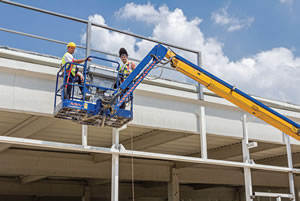 The well-being and safety of school plant employees should be of the utmost importance to all school facility managers. Workplace safety should be a priority and safety procedures and training should be in place. These guidelines can be straightforward and completed in a manner that reinforces best safety practices for daily operations. A school division should be proactive in regards to employee safety, not delaying until after an incidence of injury occurs.
There are several ways school divisions can begin to implement good safety procedures. The first priority is to have a plan in place. Training should be an integral part of your safety plan-CPR, first aid, and automated external defibrillator (AED) annual training opportunities are a good start for all employees. The use of personal protective equipment to guard against blood borne pathogens along with how to care for an injury until help arrives is essential since co-workers are often first responders. Having a basic knowledge of how to use a first aid kit, such as using general medical supplies for cuts, abrasions and scrapes is also needed. A first aid kit should be placed in every school plant work vehicle. These skills may help to save a life and prevent further injury.
General safety training for safe tool handling and equipment operation should also be provided and reinforced in daily operations. Guidelines for slips, trips and falls safe practices along with proper use of safety gloves, hearing protection, safety glasses and hard hats are a must. Also, a height safety plan is vital for those staff working on building roofs such as electricians, HVAC technicians and roofers. Workers need to understand that an effective safety plan may help save their life or prevent them from sustaining a devastating injury.
 School plant staff uniform selection can also have a safety value that many overlook. There are special flame resistant and arc flash uniforms that can help prevent burns that may be related to arc flash. Protective uniforms for HVAC technicians and electricians, is an excellent investment for staff safety. This particular uniform has a flame resistant material that has a higher rating of burn resistance in case of arc flash and could save a life. The flame-resistant material used in these uniforms is rated for Arc Thermal Performance Value (ATPV). There are national companies that lease and lauder these uniforms. It is also important to emphasize daily that workers wear steel-toed shoes as required. Appropriate clothing and shoes are a vital part of worker safety. This should be monitored daily by the foreman or leadsmen.
General work place safety must continue to be a priority of all employers. All school plants should have adequate procedures in place for hazard assessment, lockout tag out and arc flash, coupled with appropriate informal and formal safety training in order to help prevent unsafe practices. Safety standards also provide guidance for all maintenance workers regarding their own personal safety. Our school plant maintenance staff is a very important part of a school division’s overall team and all of these employees should be provided with a safe and sufficient environment to work in so that they may do their jobs efficiently and safely.
This article originally appeared in the issue of .
About the Author
John A. Bailey, Ph.D. is the director of School Plants for Chesapeake Public Schools and a National School Plant Managers Association board member, representing Virginia, and a Virginia School Plant Managers Association board member, representing Region II, in Virginia.