Suffolk University Buys a Landmark
Kenneth C. Zirkel
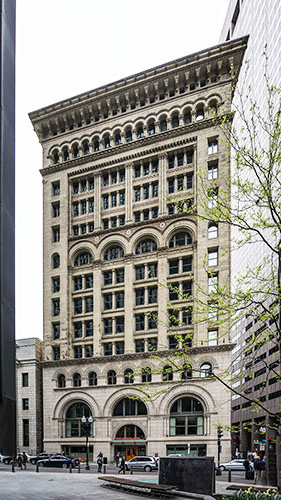
BOSTON, MA – Suffolk University President Marisa Kelly recently announced that the university has completed the purchase of the Ames building at 1 Court St. in Boston. The university plans to seek permitting for a new residence hall in the heart of Suffolk’s core downtown Boston campus, with a projected opening of fall 2020.
“This is a great opportunity for Suffolk and an important investment in our future,” says Kelly, who cited a strategic initiative to expand residence hall capacity on campus.
The next step toward this goal is undergoing the rigorous city review process necessary to permit the building for use as a residence hall, a process that will involve significant input from the Boston community. John Nucci, senior vice president for External Affairs for Suffolk University, and his team are leading this process.
“The opportunities that our students gain while living, studying, and working within our downtown Boston campus are exceptional,” says Kelly. “Expanding campus housing in this location will further facilitate this commitment both for the students who will live in the building and by offering additional opportunities to launch new or expanded partnerships with our neighbors.”
The Ames Building at 1 Court St., built in 1893, was the first skyscraper in Boston and the city's tallest building until 1915. It is steps from City Hall, the financial district, and the Old State House and within several blocks of key university buildings. It will become another centerpiece of Suffolk’s campus, helping to further solidify the university’s borderless community within the center of Boston.