Schools In Focus: Expert Advice on COVID-19 Cleaning
- By Yvonne Marquez
- 04/15/20
Schools In Focus is a Spaces4Learning podcast dedicated to K-12 school design, planning, and management. Each episode will feature a conversation with industry experts, facility managers, architects, and thought leaders on topics related to school facilities. Catch up on previous episodes here.
Today's episode is about cleaning and disinfecting school facilities.
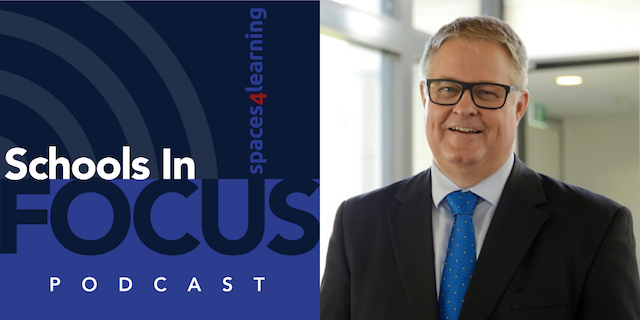
Schools In Focus, Episode 3: Expert Advice on COVID-19 Cleaning
The world looks very different now since the last episode. Schools across the country are closed to prevent the spread of COVID-19. At the time of publication, 24 states have decided to keep schools closed for the remainder of the school year. According to the New York Times database, at least 606,800 people in the United States have tested positive for the virus and at least 25,922 have died from it.
In this episode, we talk about the short-term and long-term goals of keeping school facilities clean amidst the COVID-19 pandemic. I spoke to Dr. Greg Whiteley, a specialist in cleaning science, hygiene and disinfection. He’s the chairman of the Whiteley Corporation, a medical and industrial cleaning company based in Australia. He’s also an adjunct research fellow in the School of Medicine at Western Sydney University and a board member of the Cleaning Industry Research Institute.
Dr. Whiteley describes how the virus works, how it affects children, outlines cleaning goals for schools within the next year, and provides practical advice for custodial workers.
Where to Listen
Schools In Focus is available on Apple Podcasts, Google Play, and Stitcher. Subscribe today, or listen below! Stay tuned for more episodes!
About the Author
Yvonne Marquez is senior editor of Spaces4Learning. She can be reached at [email protected].