California School District to Install Charging Stations

The Porterville Unified School District (PUSD), located in Tulare County, California, recently placed an order for six new electric school buses. During its Board of Education meeting on Jan. 28, the district also approved plans to install six new electric charging stations.

Set to be ready by August, the ABB Terra 54 fast charging stations will be placed at a bus yard near Porterville High School. The product’s website boasts that the average charging time for a vehicle runs between 15 and 30 minutes. The district is partnering with Southern California Edison (SCE) for the installation process.
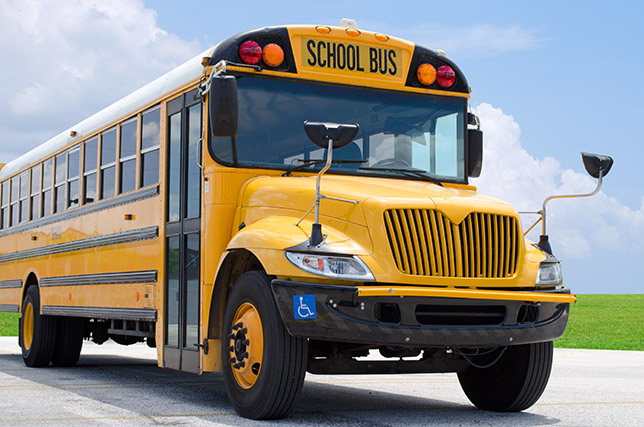
School bus

PUSD officials have expressed that their longer-term goal is to transition the entire school bus fleet to electric models. Plans are already in the works to order four more electric buses during the next decade. The move is part of a larger PUSD initiative to reduce its power costs and utility bills by taking advantage of renewable energy sources and solar panels.

According to PUSD public information officer Jason Pommier, “That’s definitely one of the things we want to do, similar to the city, reducing the carbon footprint and moving away from some of the diesel buses. We’re always looking at ways where we can reduce costs, save money and utilize it for the students.

About the Author

Matt Jones is senior editor of Spaces4Learning. He can be reached at [email protected].

Featured

  • California K–12 District Completes Elementary School Campus Replacement

    The West Contra Costa Unified School District (WCCUSD) in Richmond, Calif., recently announced the completion of a replacement campus for Lake Elementary School, according to a news release. The school has capacity for 470 students between Transitional Kindergarten (TK) and sixth grade.

  • Preparing for the Next Era of Healthcare Education, Innovation

    Across the country, public universities and community colleges are accelerating investments in healthcare education facilities as part of a broader strategy to address workforce shortages, modernize outdated infrastructure, and expand clinical training capacity. These projects, which are often located at the center of campus health and science districts, are no longer limited to traditional classrooms.

  • University of Arizona Approves New Residence Hall

    The Arizona Board of Regents recently approved plans for a new residence hall at the University of Arizona in Tucson, Ariz., according to a news release. The new facility is scheduled to open in fall 2028 and have the capacity for more than 1,200 students, enforcing a new university expectation that all first-year students live on campus.

  • Doerr School of Sustainability Accelerator

    From Concrete Warehouse to Innovation Hub: Accelerating Sustainability at Stanford

    The transformation of a once windowless, concrete publishing warehouse into a sun-drenched center for global innovation began with a single, fundamental challenge: how to turn an industrial storage shell into a space built for human connection.