Sheep Help Maintain Solar Array at Pa. University
Susquehanna University’s solar array was built in 2018, just outside the city of Selinsgrove, Pa. It generates about 3 MW of power to provide roughly 30 percent of the university’s energy supply. The array covers about 14 acres. And from April through November of each year, the university enlists help from an unconventional source to help keep the site maintained.
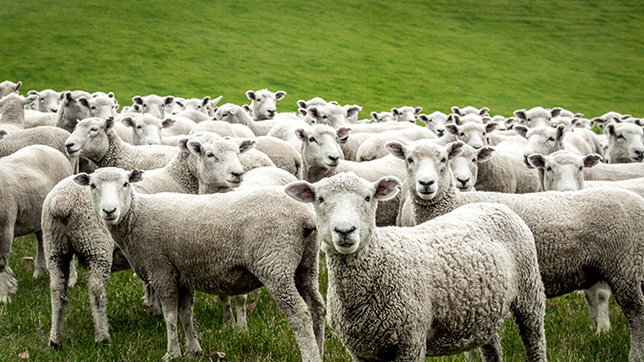
A flock of about 40 sheep from the nearby Owens Farm is given free rein to graze the area, proving just as effective and more sustainable than traditional lawn maintenance. “Their job is to graze. A sheep will eat—not just grass, but they’ll eat weeds and all kinds of vegetation,” said Caroline Owens of Owens Farm. “If you look at all the jobs that a sheep could have, this is number one.”
Derek Martin, the Assistant Director of Sustainability at Susquehanna University, explained the method behind the madness. “We’re eliminating the need for lawnmowing, which eliminates fossil fuels that need to be used on this property. At the same time, the sheep also fertilize our soil,” he said.
The sheep do more than just keep the grass short; they actively contribute to the health of the greenery and soil. “As the flock grazes, they also improve soil health, sequester carbon, support pollinator habitat, and build community goodwill while avoiding the risk of equipment damage from mowing activities,” said Owens, who’s also a member of the American Solar Grazing Association. “It’s truly a win-win for all parties.”
The partnership between the university and Owens Farm began in 2019. Owens Farm provides a breed of domestic sheep called Katahdin, which don’t produce wool but are known for pasture lambing and grass/forage-based management. The sheep are rotated throughout the 14 acres during their six months of service to ensure even maintenance across the entire space.
About the Author
Matt Jones is senior editor of Spaces4Learning. He can be reached at [email protected].