Are Your Facilities Prepared for Hurricane Season This Year?
The 2021 hurricane season is upon us, and once again, the U.S. can expect an above-average season. The experts at the National Oceanic and Atmospheric Administration (NOAA) predict anywhere from 6-10 hurricanes, with 3-5 of those at a CAT 3 level or higher. As we continue to see year-in and year-out the higher frequency and increased intensity of hurricanes, experts agree that we must continue to strive for greater preparedness for our communities.
One way to do this is for local governments to dedicate portions of public space facilities to ICC 500 storm shelters and FEMA P-361 safe rooms for communities to use during hurricane events. These facilities are built to provide safety and protection in the event of a hurricane using tested and verified building materials, as well as construction methods that will ensure occupant safety while sheltering during the storm.
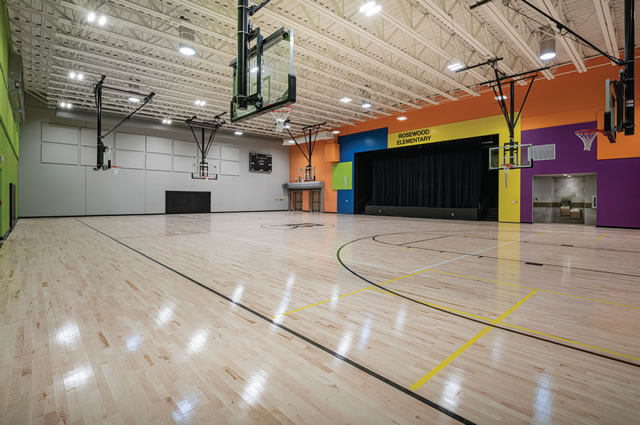
Photo Credit: Yellow Dog Design Works, LLC
Many community storm shelters serve dual purposes as recreation centers, senior centers, gymnasiums, etc. The challenge is to create a space that meets the storm shelter code without sacrificing the overall design. Some elements of storm shelters (such as windows) can be very expensive in storm shelters, as they either have to pass the rigorous ICC 500 testing or additional penetration protection to keep occupants safe. The high price tag can often get windows pulled from a storm shelter project, leaving these spaces without access to beneficial daylight.
Until now, the only daylighting products that have been compliant for use in an ICC 500 storm shelter or FEMA P-361 safe room were very costly window systems and storm doors.
Today, Solatube International is proud to have achieved another daylighting-industry first with their ability to daylight an ICC 500 storm shelter and even a FEMA P-31 safe room using the SolaMaster 750 DS tubular daylighting device (TDD). The Solatube 750 DS-O is the only rooftop daylighting device in the world compliant for use in an ICC 500 storm shelter and FEMA P-361 safe room—even in CAT 5 territory. In addition, the 750DS-O adds perfect daylight to your shelter without the costly additions of penetration protection such as window systems or storm shutters. Now, daylighting your shelter does not have to level your budget. The device is effective, tested and safe.
Have a commercial project requiring ICC 500 storm shelter or FEMA P-361 safe room compliance? Please contact us 1.888.765.2882 to learn how Solatube can help.