Energy Savings Made Easy
Energy Savings

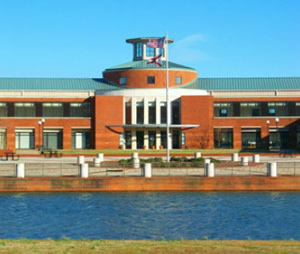
Scottsboro City Schools saw great energy savings when they used Schneider Electric systems in facility upgrades across the district.

Many schools around the country are deteriorating and faced with unprecedented budgetary pressures and a long list of deferred capital improvements. The Scottsboro school district in Alabama was no exception, with a student population of 2,700, the city operates four elementary schools, one middle school and one high school, as well as an adult learning center for those seeking a GED (general education diploma) or career training.

By 2012, many of the facilities were in need of major renovations. The forward-thinking school district opted for a performance contract from Schneider Electric to fund major renovations.

After an audit of all facilities, Schneider Electric implemented new systems for building automation, lighting, mechanical equipment, water commissioning, information technology and renewable energy, among other upgrades. This project provided Scottsboro City Schools with an effective way to fund long-needed, critical and comprehensive HVAC renovations that the district had no other way of funding.

Benefits of this project include reduced energy consumption and costs, as well as increased energy and water efficiency. The school system now has one single contact for service and support which was important to them as well as low-interest funding sources which guarantees savings.

www.schneider-electric.com

This article originally appeared in the School Planning & Management December 2013 issue of Spaces4Learning.

Featured

  • University of Kansas Breaks Ground on Entrepreneurship Hub

    The University of Kansas in Lawrence, Kan., recently held a groundbreaking ceremony for the new KU Entrepreneurship Hub, according to university news. The Hub is part of the university’s School of Business and will include spaces for experiential learning and programming.

  • Designing for Every Mind

    Learning environments have the power to shape not just what students know, but who they become. When a school is designed with genuine empathy—for the full range of ways students think, sense, and engage with the world—it becomes more than a building. It becomes a catalyst for growth, confidence, and belonging. That is the animating idea behind neurodiverse design, and it is one that is transforming how more architects and designers are thinking about school design.

  • Surging Demand for Student Housing Fuels Major Campus Investment Opportunities

    University leaders throughout the U.S. are accelerating plans to modernize and expand student housing as enrollment stabilizes and demand for on-campus living rebounds. Recent data from the National Center for Education Statistics indicates that total postsecondary enrollment is projected to grow through the end of the decade, with undergraduate enrollment alone expected to increase by more than 8 percent by 2030.

  • abstract illustration of school gym

    How the Gymnasium Can Serve as a Model for Learning Space Design

    Multipurpose gyms work because flexibility was built into the brief from the start, not retrofitted later. The same logic applies to academic spaces.