Connecticut High School Opens in Time for the New School Year
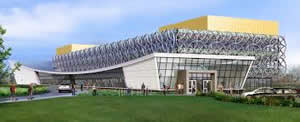
Harding High School BridgeportThe new Harding High School in Bridgeport, Conn., recently wrapped up construction in time for the 2018 school year. The new facility replaces an older high school building that had been in use since 1925. The new school features computer labs, new science labs, and a student health center.

Totaling 207,000 square feet, the new high school will serve roughly 1,150 students in the Bridgeport area. Aside from academic and social spaces, the new facility will also feature a day care center. The new Harding High School opened with the start of the school year in late August 2018.

Featured

  • Pitzer College

    Designing for Change in Higher Ed Learning Environments

    Higher education will continue to evolve, and learning environments must evolve with it. By prioritizing adaptable infrastructure, thoughtful reuse, strong energy performance, and wellness-centered design, campuses can create spaces that support learning today while remaining flexible for the future.

  • Photo credit: Elkus Manfredi Architects

    University of Virginia Selects Design-Build Team for New Residential Complex

    The University of Virginia in Charlottesville, Va., recently announced that it has selected a design-build team for a new upper-class residential development on campus, according to a news release. Capstone Development Partners—in partnership with Elkus Manfredi Architects and the Hoar Construction/Hourigan construction team—will move forward with the three-building, 310,000-square-foot housing facility.

  • 144-Year-Old High-School Campus Debuts New Academic Facility

    San Diego High School (SDHS) in San Diego, Calif., recently held a ribbon-cutting ceremony for a new student services and classroom building; the project is part of a larger SDHS Whole Site Modernization project that began in 2022.

  • Little Grand Market

    Designing for Belonging: Why Student Wellness Starts with Space

    From walkable site planning to flexible interiors, intentional design choices play a critical role in how students experience comfort, connection, and community.