Behavior Management and Classroom Design Go Hand-In-Hand
- By Tiffany Brunson
- 10/26/22
There is no doubt that the pandemic has
challenged the ways in which we live, communicate and operate
on a day-to-day basis. The trauma students have experienced
over the last few years relative to the pandemic has led to a rise
in behavioral problems within classrooms, including instances
of violence. As a result, school and district leaders are looking
for ways to manage student behavior more effectively.
In a survey of public-school leaders earlier this year, nearly 90
percent said the COVID-19 pandemic has hurt the social-emotional
development of their students. Eighty-three percent of respondents
agreed that students’ behavioral development has suffered.
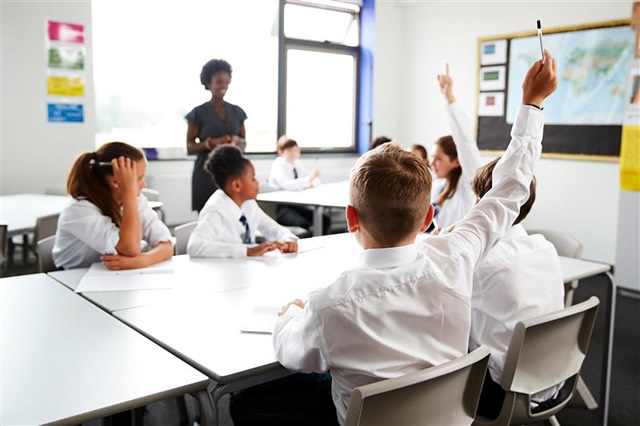
One often-overlooked factor in student behavior is the
effect of classroom design. From the colors used on the walls
to the furniture that students sit on, how classrooms and other
learning spaces are designed can significantly impact student
emotions, engagement, attention, and behavior.
The pandemic has hurt the social-emotional development
of students; however, it has also given K–12 leaders a unique
opportunity to reimagine what our learning spaces might look
like by considering them through a lens of equity, inclusion,
and student empowerment. In doing so, we can improve student
behavior and motivation at the same time.
Classrooms Behind the Times
If you think about the traditional, factory-style classroom,
with rows of identical desks facing the teacher at the front of
the room, what about this model is engaging? What would
motivate students to sit in that room each day?
This type of environment was built around a teacher controlling
the learning process with a lecture-based method of instruction,
dispensing information as students listen and take notes. Today,
active learning strategies that put students in charge of their
education are becoming a more common practice, but the learning
environments in which they happen are evolving at a slower pace.
Our district has used training from the Crisis Prevention
Institute to design learning spaces that foster inclusivity and
diversity to support our students’ need for a welcoming classroom
environment. Based on our experience, here are three tips on
how you can implement a similar experience in your schools.
1. Make Students Co-Designers. A friend of mine works
for a large toy company where they market-test new ideas for
children before rolling them out to the stores. To do this, they
create prototypes of their ideas for children to play with and ask
the children what they think. Is this toy fun? Do you like the
colors? How would you change it?
This concept can also be applied within our schools. As we’re
designing learning spaces, our students should be a part of the
planning process. What would their ideal learning environment
look like? What elements should it include?
Integrating students into the design process ensures that
classrooms and other learning spaces more closely align with
their needs and desires; it’s also another way to empower
students by giving them control over their education.
2. Give Them Multiple Seating Options. When students
are in control of their learning, they’re more invested in their
education and less likely to act out. Learning environments can
help foster this sense of autonomy by giving students plenty of
options for seating and what types of seating they can choose
from—such as a regular desk or table, café-style seating, a
standing desk, or a beanbag chair.
Beyond the comfort of multiple seating options, having
a variety of seating promotes inclusion by accommodating
different physical needs and preferences, which helps every child
feel more welcome.
3. Make the Space Comfortable. Students who aren’t
comfortable in their physical environment will have trouble
learning and are more likely to fidget or experience an outburst.
In contrast, creating a comfortable learning environment helps
students focus and succeed.
Another way to make learning environments more comfortable for
students is to choose flexible and adjustable furniture, such as chairs
that swivel and height-adjustable tables. In designing our classrooms,
I eliminated all of our traditional desks and their attached chairs
because they did not accommodate multiple body types. Instead, we
replaced them with several different student-tested seating options,
and we have seen fewer behavioral problems as a result.
In our quest to reimagine learning spaces, we have to center
our students’ voices and experiences. Our students are true
partners in education, not passive participants, and we should
be designing learning environments with our students’ physical
and emotional well-being in mind.
When we do this, our schools will be places of joy and
liberation. But most importantly, they’ll be places of success.
About the Author
Dr. Tiffany Brunson is the superintendent of Elementary School District 159 in Cook County, Ill. During her nearly 30-year career in education, she has been a special education teacher and has held various roles within school and district administration.