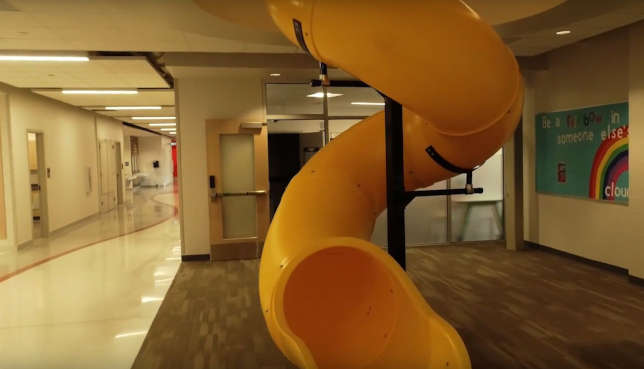
A new Indianapolis elementary school includes state-of-art learning spaces as well as a huge indoor slide. Walnut Grove Elementary School, which opened earlier this month in the Center Grove Community School Corp., features innovative learning spaces designed to provide flexibility for instruction.
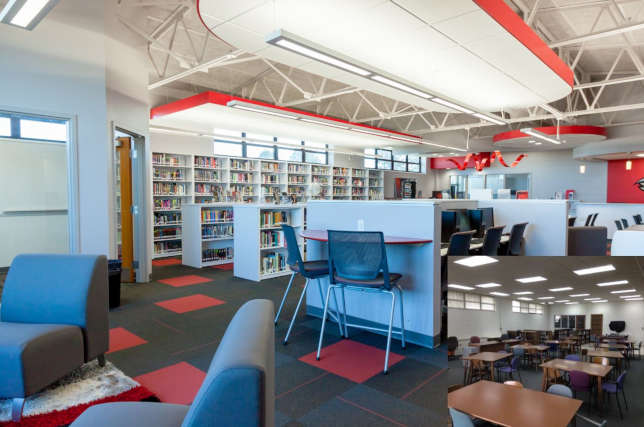
Our culture has changed. Your community has changed. Has your library changed yet?
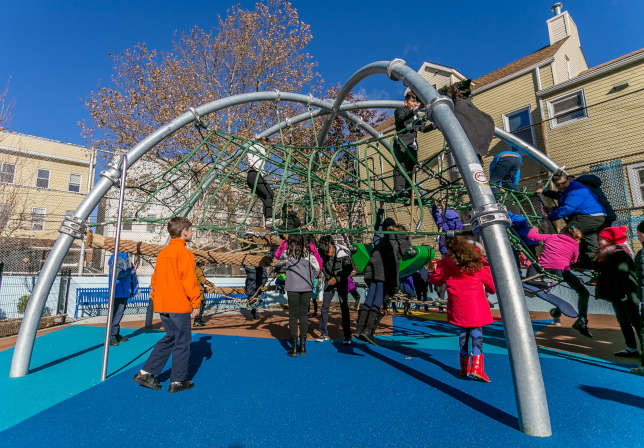
Enlisting students in your design plan and working alongside nature can result in outdoor spaces that are recreational, educational and engaging in ways you might not expect.
Are there similarities in the design of spaces for education and for senior living? Specific areas where the two intersect include creating spaces that foster lifelong learning, help people build communities and foster relationships, and combat the stigma of being either young or old.
A look at spaces that shape student-faculty interactions on campus, and ultimately contribute to student success.

Life's one constant is change and College Planning & Management is here for it. From the expansion of big data to plant-forward dining options, schools are adapting with the times. Here's a look at what's happening now and into the future. Is your school ready for what's next?
Look inside for commentary from experts in the field who share their perspective on trends in education and the effect those changes will have on various learning environments.
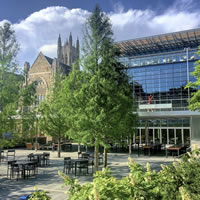
Duke University has won awards for its campus landscape features and design. Careful planning and thoughtful implementation are just two keys to the university's success.
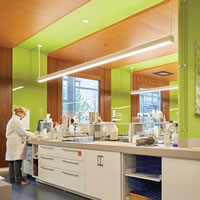
Creative design can solve the conflict between having an open research lab with natural light and views where passersby can see and be excited about the research being done and safeguarding sensitive or proprietary information.
Look inside for commentary from experts in the field who share their perspective on trends in education and the effect those changes will have on various learning environments.
Student dining facilities are changing—and university officials need to be flexible and prepared.
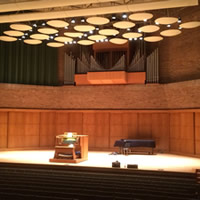
Real-world installations illustrate how an in-depth review of existing performing arts curricula and facilities can be of benefit when considering how best to upgrade existing spaces versus when to build new facilities.
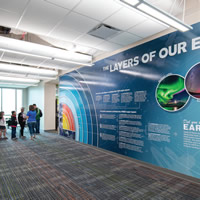
The structure and surrounding landscape can be active learning tools.
Accessibility in higher education has many different implications and can be viewed from either a physical, economic, or social standpoint.
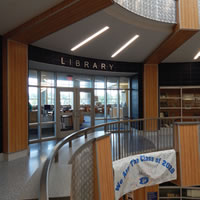
The interior spaces where students’ high school careers and experiences unfold are of prime importance to those young people, faculty, staff, and administrators. The best such spaces help districts and individual schools express and realize their goals while guiding high school students toward achieving theirs.
Today's community colleges are interested in placemaking, in creating campuses where students learn, linger, and interact. With an eye to design, here are three examples of community colleges stepping up their interior spaces to improve the student experience.
An update on how the planning has come into being on the BGSU campus.
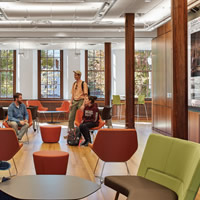
What higher education can learn from kindergarten classroom design.
Reflecting on this has affected my view of educational design.
Former Governor of Massachusetts Deval Patrick once said, “No child will be able to succeed academically if they don’t first feel safe in school. No teacher will be able to teach at their best if they aren’t confident there’s a plan in place to ensure their school is well prepared for an emergency.” Creating a safer educational institution begins with the facility’s design. Mariana Lavezzo, a K-12 Education designer with the DLR Group, recently talked with SP&M about this approach to creating safer schools.