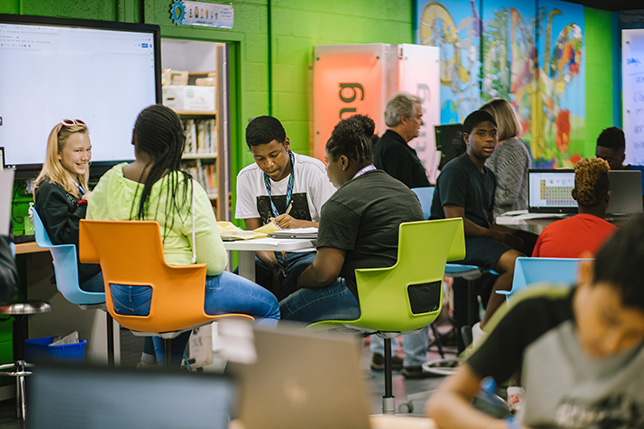
What if you could apply crucial STEAM concepts in a way that engages students like never before?
There’s an ongoing battle in America’s K-12 schools, and it’s for the sound mental health of students. Unfortunately, our kids are facing a serious crisis when it comes to their mental health.
A simple and tangible step that K–12 leaders can take to support all students more effectively is to make sure students can hear their teachers and their classmates. When students can hear instruction clearly, everyone benefits.

The importance of HVAC units in schools was brought to the forefront when the COVID-19 pandemic struck in the early parts of 2020. The federal government also took notice as they issued approximately $190 billion in COVID relief funds through the Elementary and Secondary School Emergency Relief Fund (ESSER).
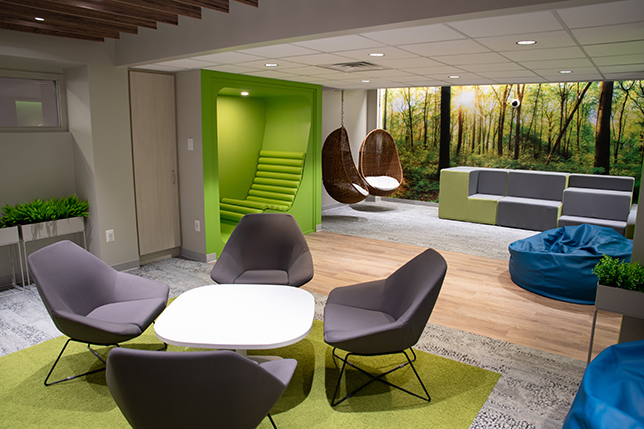
According to the Mayo Clinic, up to 44% of college students report having symptoms of depression, anxiety, or other mental health concerns that impact their ability to complete schoolwork.
Furniture manufacturer Kimball International recently announced the launch of its “Creating Places to Belong” initiative with the goal of making employees feel valued and connected to their workplace, according to a news release.
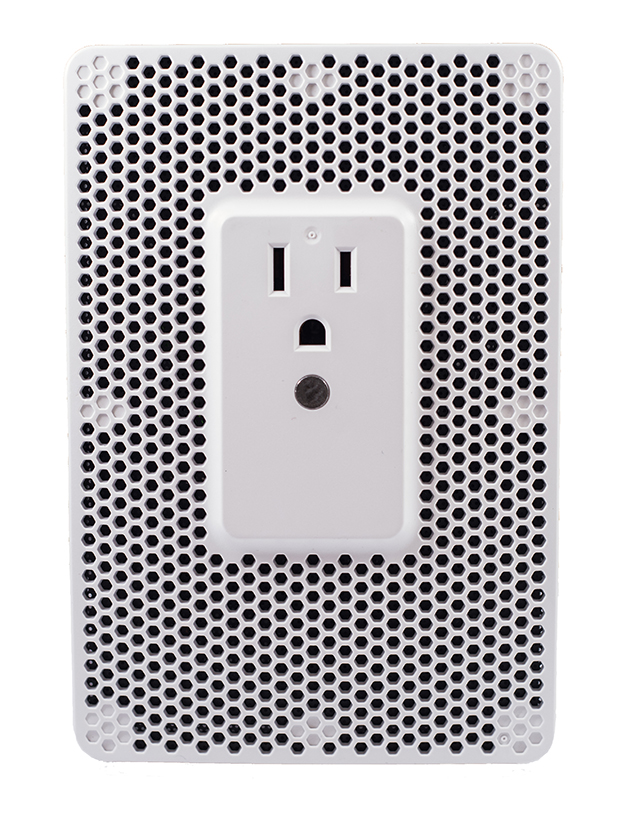
Sensor solutions company FreshAir recently announced the launch of the FreshAir1 Smoking Detection System, according to a news release. The technology monitors for and detects tobacco and marijuana smoke, and it is geared toward use in school and university buildings.

The importance of HVAC units in schools was brought to the forefront when the COVID-19 pandemic struck in the early parts of 2020. While vaccines became one option for combating the virus, the need for increased ventilation and filtration became an area of focus for many school districts.
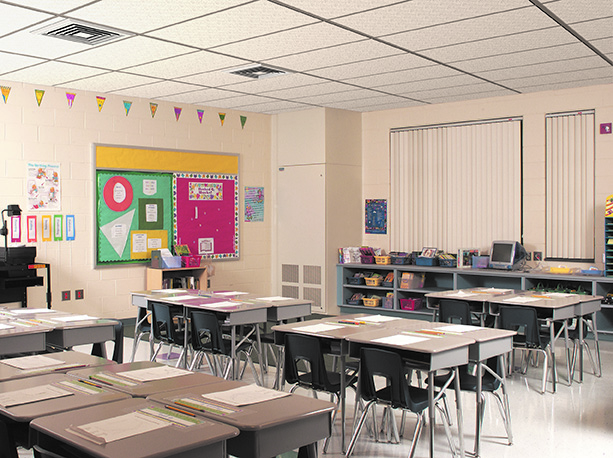
In the pre-pandemic world, IAQ was often recognized as a best practice for K–12 facilities. While its importance was never in question, there wasn’t much of an emphasis on the vital role it plays in our children’s lives and development. It didn’t make the evening news or create the buzz it does now. The COVID-19 pandemic put a spotlight on the necessity of having clean, comfortable air.
This episode's guest is Dr. Neall Digert, Vice President of Solatube International, Inc., who’s here to tell us about the benefits of daylight in education spaces.
Facility solutions provider ABM recently announced that it has initiated an Energy Performance Contracting Program with the Abbeville County School District (ACSD) in South Carolina. A news release reports that the solution will modernize facility infrastructure in all the district’s schools and save the district about $4.9 million in energy and operating costs over the next 15 years.
Dr. Kevin Mabie, Global Professional Instructor with the Crisis Prevention Institute, discusses how a positive school climate can help K–12 leaders address, reduce and prevent bullying and violent behaviors in schools.
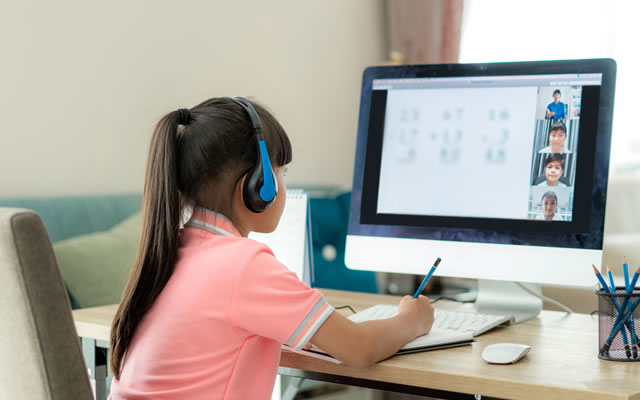
We educators had our work cut out for us in the spring of 2020; we rose to the challenge and found ways to connect with our kids, no matter where they were. With no choice but to use whatever we had available, we dug deep into our resources to help our students (and ourselves) survive distance learning. Amazingly, what we did served our purposes not only for the duration of remote teaching, but changed our classroom practices for the better now that students are back in the classroom.
Air monitoring systems provider Poppy Health recently released the results of a pilot study that it conducted alongside Primary.Health to test indoor air at California K–12 schools, according to a news release.

The secret is out: One of the best ways to boost student achievement is to ensure your students can clearly hear their teacher and classmates.
In this episode of Schools in Focus, we’ll be talking about indoor air quality in schools. Our guests are Mike Wolf, Director of Regulatory Business Development, and Tyler Mancl, Principal Application Engineer, both with Greenheck.
HVAC industry solutions provider Modine Manufacturing Company recently announced a new resource to help K–12 facilities managers monitor their school’s IAQ (indoor air quality) needs.
Our guest today is Bob Dillon, a school designer and consultant with STS Education. He's here to talk about the importance of student wellness during the learning day, from the time students arrive at the bus stop to the final bell.
Today's guests are Kim Montague, Executive Director - research and insights, and Kaelynn Reid, design futurist, both with Kimball International. They're here to talk about the design elements of multi-sensory environments that research and experience have shown to maximize student wellness.
Today’s guest is Kristin Moore, the Vice President of Market Segments at Armstrong World Industries. We'll talk about the importance of indoor environmental quality in creating and maintaining healthy learning spaces for kids.
Aperture Education, which provides K–12 research-based social and emotional (SEL) learning assessments, recently announced a call for presentation proposals for the 2022 SEL Vision Summit.
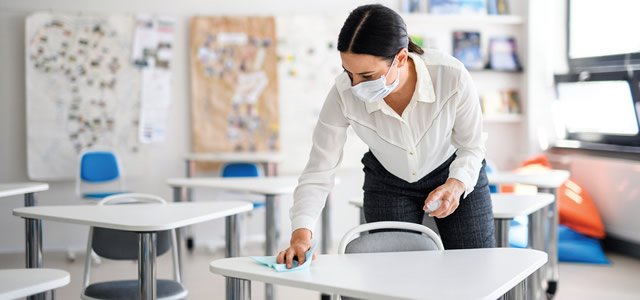
Schools can be breeding grounds for infection, but simple interventions can reduce absenteeism by providing a healthy, productive learning environment for students, teachers and staff.
Chancery High School in Orlando, Fla., recently installed a new clean air solution from pathogen control technology company UV Angel. According to a news release, the school installed 59 UV Angel Clean Air units.
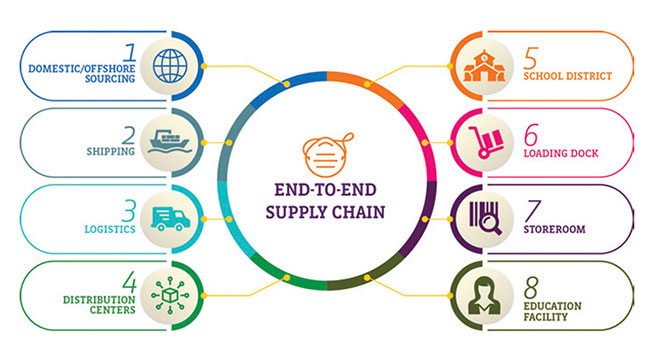
The unprecedented nature of the COVID-19 pandemic exposed gaps in the supply chain but also provided opportunities to strengthen it. We’ve realized that many K–12 school districts and higher ed institutions have outdated models for supply chain management and procurement, and they lack the technological platforms and processes that other industries have put into place.
As the pandemic continues to affect the status of education, challenging school districts to develop plans that protect the need to learn, antimicrobial copper can play an effective role in a lasting strategy to combat the spread of infection.
Indoor air quality technology is complicated, mostly because you can't see it. There remains a lot of confusion about expectations of these devices and what they truly are (and aren’t) capable of. Here’s what you want to consider before installing these devices in your facility.
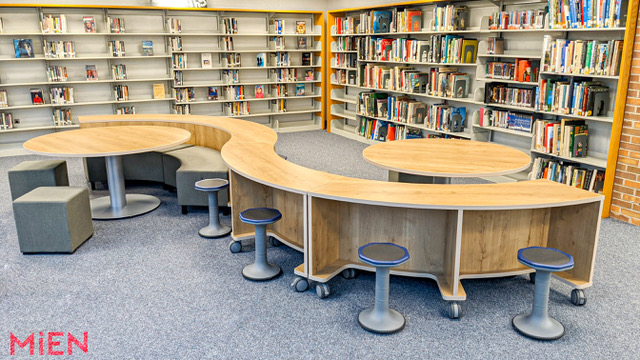
One school's plan to give each student a laptop not only eliminated the need for computer labs, but it also freed up physical space in its media center to repurpose a fairly large lab.
A history of deferred maintenance could take the wind out of improved ventilation strategies.
This episode's topic is "Improving Building Health, Safety and Security with Smart Sensor Technology," and our guest is Mike Davis, National Sales Manager for IPVideo. We'll talk about the different types of sensors and the variety of data they can collect, from physical to chemical to environmental to security. This episode is sponsored by IPVideo.
The White House launched a new program Thursday, calling on schools, colleges and universities to work to improve indoor air quality. In conjunction with the launch, the Environmental Protection Agency also released new guidelines for best practices for improving indoor air quality and reducing the spread of COVID-19 further.