The learning curve for understanding and utilizing intelligent buildings can be steep—a fact Dale Klein of Parallel Technologies is well aware of. Having seen the rise and development of intelligent buildings in the K-12 education space, Dale speaks with the magazine about some of the general and K-12-specific elements of intelligent buildings and how the technologies are progressing.
Some things to examine if the district is considering this route.
Closing the loop between delivery and impact.

Technology has become an integral part of K-12 classrooms. Here are some examples of how districts across the country use technology—both software and hardware—to create authentic learning experiences for students.
My it security is (probably) not secure
There is both good and potential danger in the 2018 outlook for technology on campus.
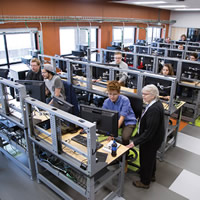
With a little goal setting, administrators can use technology to advance education and meet students’ needs. Here are two ways in which technology is providing what today's students expect—in the classroom and beyond.
Online learning is growing in popularity each year. Even with its many uses and advantages, the online learning model can present instructors with a new set of challenges and issues. We spoke with Colette Rossignol, education technologist in the Office of Digital Learning at Sacred Heart University in Fairfield, CT, about the present challenges and future potential of online learning at colleges and universities.