New School Connecting Preschoolers with Nature
Newport Beach, Calif. – Construction started Feb. 15 on a new nature-based preschool facility for the Environmental Nature Center (ENC), designed to create a hands-on, outdoor learning environment and demonstrate sustainable values for preschool students. Designed by Irvine, Calif.-based LPA, the 8,000-square-foot, three-classroom preschool is an extension of the ENC’s mission to promote nature-centered education. Nature-based preschools, which are growing in popularity around the country, have been shown to support early brain development, healthy living and social skills in early childhood.
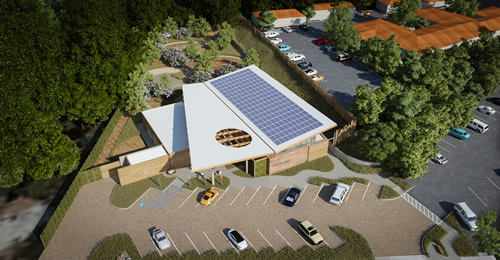
LPA’s design creates spaces designed to foster a connection to the outdoors, where students will spend most of their time. Outdoor spaces will serve as teaching centers, from a stone abacus to a landscape of drought-tolerant plants, which will provide a living lesson in sustainability. Boulders, logs and tree stumps will be used for seating. An organic garden will provide teaching opportunities and food sup-plies for students. “The preschool is designed to be a living laboratory and educational tool for conservation,” says LPA Principal Rick D’Amato.
About LPA
A pioneer in sustainable design, LPA provides services in architecture, engineering, interior design, land-scape architecture and planning. With nearly 400 employees across offices in California and Texas, LPA delivers integrated design solutions for K-12 and higher education facilities, civic, recreational, corporate, and healthcare developments to enhance the human experience. As one of the country’s only design firms with a dedicated research team, PLPA draws on rigorous data and analysis to create environments that improve people’s lives. For more information, visit www.lpainc.com.