District Solar Deal Includes Learning Wagons

An Indiana district is setting up solar farms that will cover the energy usage for three of its schools. Hamilton Southeastern Schools will be working with Ameresco to implement two solar arrays, with a total of 4,800 panels and the capacity of generating 2.4 million kWh annually. The company said that level of energy production was sufficient to power 294 homes for a year, avoiding 1,687 metric tons of carbon dioxide emissions.
District Solar Deal Includes Learning Wagons

District Solar Deal Includes Learning Wagons

District Solar Deal Includes Learning Wagons


Source: Hamilton Southeastern Schools

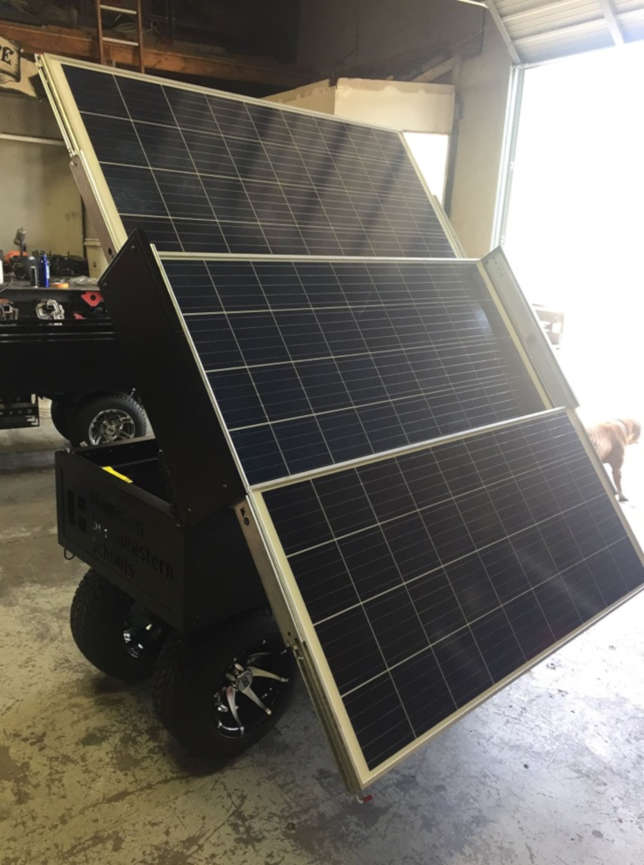
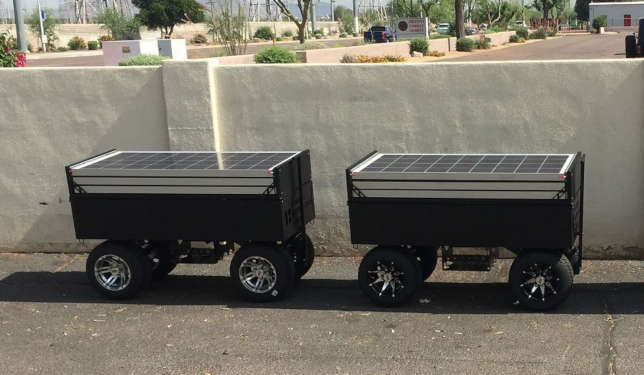
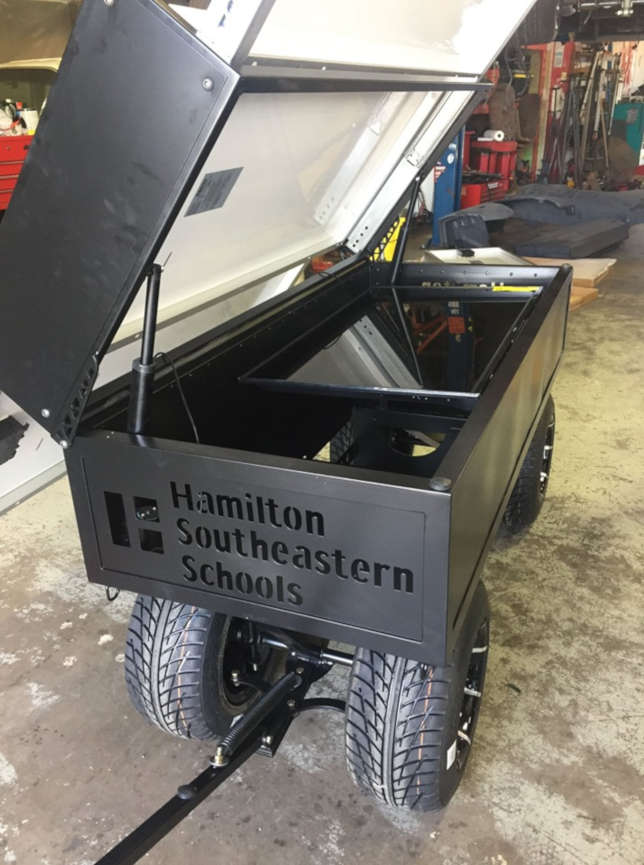
The deal also includes two "solar wagons" and programming to help the schools add solar-oriented curriculum into the classroom.

Funding is coming from a combination of four-year bond fees and cost savings expected from the solar arrays. According to local reporting, the investment is expected to be covered in 11 years through cost savings.

"Our partnership with Ameresco has already allowed us to invest in projects that directly benefit our students and create a more sustainable learning environment at our schools," said Superintendent, Allen Bourff, in a statement. According to the district the project, which began in January, has already loosened up sufficient budget to cover construction of a playground at an intermediate school, with the expectation that two more will be built in the future.

About the Author

Dian Schaffhauser is a former senior contributing editor for 1105 Media's education publications THE Journal, Campus Technology and Spaces4Learning.

Featured

  • Montclair State University Starts Construction on $120M STEM Building

    Montclair State University in Montclair, N.J., recently broke ground on a new $120-million Interdisciplinary Science Building, according to university news. The university partnered with HoK Architects for the project’s design, and it’s scheduled to open in time for the 2028–29 academic year.

  • Classical building columns display digital data streams

    The Campus Nervous System: Why Facilities Risk Is Now a Leadership Issue in Higher Education

    Facility performance now intersects with safety, compliance, on-campus experience, institutional reputation, and financial resilience. That places it firmly on the leadership agenda.

  • Q&A: How to Prevent Kitchen Grease Fires in Commercial Kitchens

    School cafeterias and university dining halls serve thousands of meals daily, relying on high-heat equipment like fryers, grills, and ovens. While these operations keep students fed, they also generate significant grease-laden vapors. Without proper controls, this grease becomes a silent fire threat. As a certified exhaust cleaning specialist and business coach who has helped hundreds of institutional facilities achieve NFPA 96 compliance, I emphasize that proactive grease management isn’t optional; it’s a core fire/life safety practice.

  • UT-San Antonio Begins Residence Hall Renovations

    The University of Texas at San Antonio recently began a $6-million renovation project to one of its residence halls, according to a news release. Originally completed in 1986, Chisolm Hall measures in at 120,860 square feet and is the oldest and largest residence hall on campus.