Morehead Takes Delivery of Second Space Antenna
- By Dian Schaffhauser
- 02/11/21
Morehead
State University in Kentucky has taken delivery of a
second space antenna. The 12-meter tracking antenna was delivered to
the university by NASA
Deep Space Network operated by the Jet
Propulsion Laboratory. There, it will serve as
satellite tracking station for low Earth orbiting (LEO) satellite
mission support and as a training facility for students studying in
the space systems engineering, astrophysics and astronomy programs.
The school already
has another system, the 21-meter
space tracking antenna. The new antenna will be set on
the same hilltop and will build on the success of that larger one,
which provides telemetry, tracking, ranging and commanding services
for multiple missions. Construction will begin this spring with the
goal of having the antenna fully operational by the end of 2022.
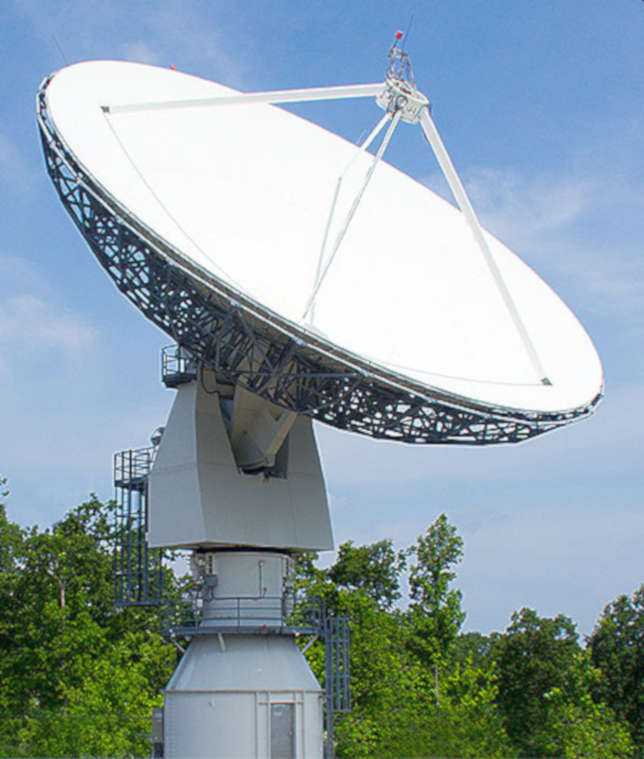
Morehead University's 21-meter space antenna will soon share a hilltop with the school's second space antenna, which is 12 meters in
size. Source: Morehead
State University
"Dozens of
students will have the opportunity to perform research projects,
thesis projects and special topics courses on various aspects of the
antenna system, not only after the instrument is operational but even
during the installation and commissioning of the station," said
Ben Malphrus, executive director of the university's Space
Science Center, in an article
about the project. "Space Systems Engineering graduates benefit
from hands-on training and from directly supporting NASA space
missions. Access to cutting-edge instruments like the 12-meter
antenna represents a unique aspect of our program and make our
graduates highly competitive in the aerospace workforce."
About the Author
Dian Schaffhauser is a former senior contributing editor for 1105 Media's education publications THE Journal, Campus Technology and Spaces4Learning.