Madison Area Technical College Breaks Ground on New South Campus

Madison Area Technical College in Madison, WI, broke ground recently for the school’s new South Campus. The campus is the product of the college working with community leaders to address existing educational and training gaps in South Madison. It is designed to include meeting rooms, classrooms, and a suite of additional community/social service offices. The South Campus will also serve as a hub for STEM and IT training, which will be offered to both current students and the citizens of South Madison.
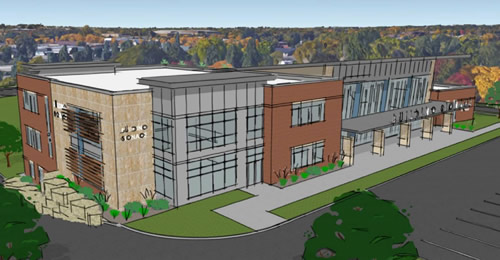
Madison Area Technical College South Campus

Funding for the project includes a $3 million contribution from Great Lakes Corporation, which will match gifts from other donors. The South Campus is currently in the phase of site redevelopment and initial construction and is planned to open in the fall of 2019.

Featured

  • S4L Announces 2026 Education Design Showcase Winners

    Spaces4Learning is thrilled to announce the winners of the 2026 Education Design Showcase! Now in its 27th year, the annual awards program honors innovative solutions in planning, design, architecture, and construction across K–12 and higher education.

  • Philadelphia Middle School Facility Earns LEED Gold Certification

    The Alternative Middle Years (AMY) at James Martin Middle School in Philadelphia, Penn., recently received a LEED Gold certification from the U.S. Green Building Council, according to a news release. The School District of Pennsylvania partnered with KSS Architects on the project.

  • FGCU Breaks Ground on New Health Sciences Building

    Florida Gulf Coast University (FGCU) has launched construction on a major new academic facility that leaders say will reshape healthcare education in Southwest Florida for decades to come, according to university news.

  • Universities Continue to Launch Multimillion-Dollar Campus Transformations

    What makes the current wave of campus development especially noteworthy is its emphasis on multi-use functionality and community integration. Institutions are no longer investing solely in academic or athletic facilities in isolation. Instead, they are creating destinations that blend recreation, health, housing, and event-driven economic activity.