New Mexico State University Solar Project Begins Construction
Construction of a new solar project at New Mexico State University began this week. The university has partnered with El Paso Electric (EPE) on the initiative that they call Aggie Power, which should be sufficient to power about one-third of the 900-acre NMSU campus in Las Cruces. They expect to complete the construction by this fall, and the project has been in the works since 2018. The goal of the partnership is to move forward on “mutual goals related to state renewable energy, climate action, and micro-grid development.”
Aggie Power is intended to not only provide the university with a source of renewable energy, but also to act as a “living laboratory” that offers training and research initiatives for electrical engineering faculty and students. Another benefit is that it will give the university a power boost between noon and early evening, when the demand for power is greatest.
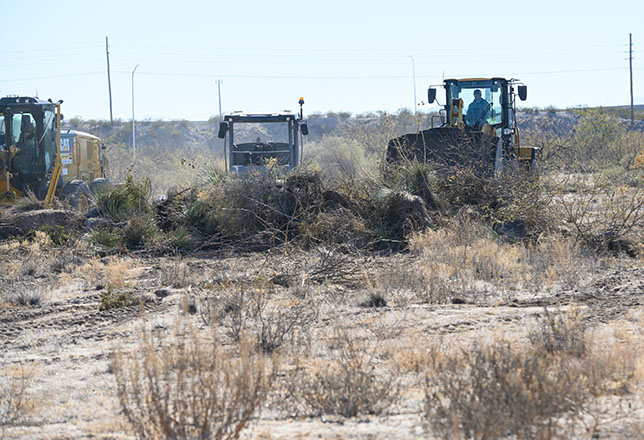
Source: New Mexico State University
“If we can receive solar power at that optimal time,” said Pat Chavez, director of Utilities and Plant Operations, “it means Aggie Power will allow NMSU to lower the need for energy during the time in which energy costs are at their highest and rely less on power from conventional, natural-gas-powered energy.”
Construction is taking place across 29 acres of the university-owned Arrowhead Park. The terms of the partnership dictate that EPE will own, run, maintain, and take ultimate responsibility for the process. The three-megawatt solar photovoltaic project also includes single-access tracking solar panels and a single-megawatt battery pack from Tesla.
When finished, Aggie Power will be the largest of three renewable-energy sources on campus. Chavez expects the project to provide the university with more flexibility regarding energy sources and managing utility rates.
About the Author
Matt Jones is senior editor of Spaces4Learning. He can be reached at [email protected].