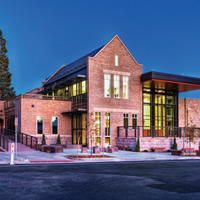
Building a wide-open student experience at the Colorado school for the deaf and the blind.
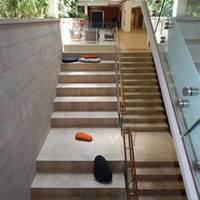
Skillfully designing and furnishing student-centered spaces, such as living-learning residence halls, student unions and common areas, can encourage positive and productive interaction.
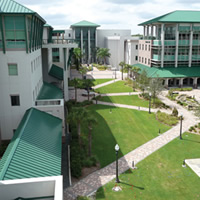
A life-cycle cost analysis is an important tool when acquiring, owning, operating and disposing of buildings and systems on a campus.
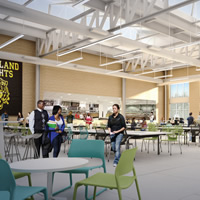
Creating a captivating, stimulating learning environment.
A one-of-a-kind, 21st-century learning facility.
The data on multi-story vs. single-story schools.
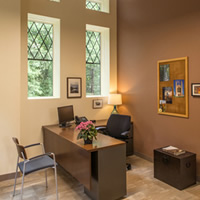
The Schneider Center at Wellesley College has undergone a renovation that has restored its value and historic roots.
Colleges and universities have always treated learning environments as crucial ingredients in the academic experience they create for students, faculty and researchers.

Managing wireless tenants on school properties.
How much do we value the education and future of our children?
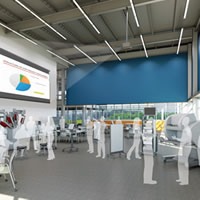
Providing students with the tools to become global leaders.
A MakersLab is a great way to help schools adapt and offer the types of tools students need to thrive in a 21st Century Classroom.
What if the school itself were a powerful learning tool, capable of creating the kind of positive, secure and engaging atmosphere children need to succeed?
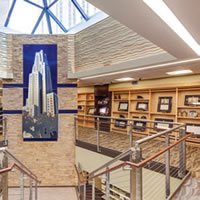
Renovation creates a destination at the University of Pittsburgh.
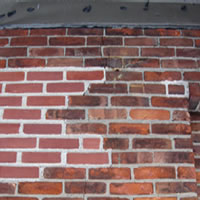
Adaptive reuse can revitalize aging building stock and can be advantageous both economically and environmentally. Here's how.
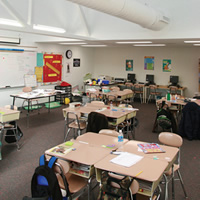
Resolving expansion problems by converting existing buildings into schools.
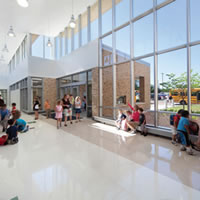
Early learning experts offer insights for classroom design, illustrated by an Illinois-based example.