Through careful consideration of the built environment, colleges and universities can positively impact students’ well-being and performance. While improved wellness is typically associated with fitness and health centers, the inclusion of biophilic design elements across the campus can be just as influential.
An institutionally centered approach to campus planning and design is becoming increasingly phased out as higher education evolves toward a more student-centered pedagogy. Shifting the focus of campus planning and design to the student not only improves academic outcomes for individual students but also creates a sense of community and human connection
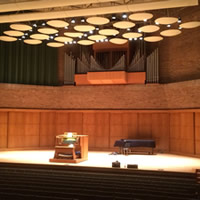
Real-world installations illustrate how an in-depth review of existing performing arts curricula and facilities can be of benefit when considering how best to upgrade existing spaces versus when to build new facilities.
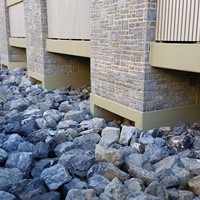
Addressing stormwater controls early in facilities design and incorporating multiple solutions can yield cost savings and long-term benefits to a campus and its neighbors.
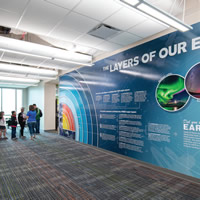
The structure and surrounding landscape can be active learning tools.
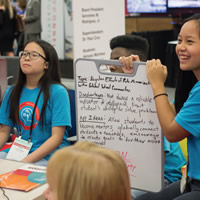
The key to engaging students in learning.
Accessibility in higher education has many different implications and can be viewed from either a physical, economic, or social standpoint.
Colleges and universities across the U.S. are creating workforce development centers to educate and train a new workforce. Programs frequently fall into two categories: industry-specific skilled trades training and automotive engineering training.
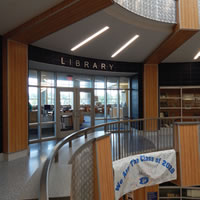
The interior spaces where students’ high school careers and experiences unfold are of prime importance to those young people, faculty, staff, and administrators. The best such spaces help districts and individual schools express and realize their goals while guiding high school students toward achieving theirs.
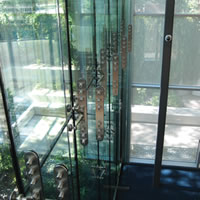
Today's community colleges are interested in placemaking, in creating campuses where students learn, linger, and interact. With an eye to design, here are three examples of community colleges stepping up their interior spaces to improve the student experience.
An update on how the planning has come into being on the BGSU campus.
Enhancing k-12 facilities management by leveraging BIM data.