
Today's guest is Sue Ann Highland. Currently, she's the National Education Strategist for School Specialty, but previously, she served as an educator for more than 25 years as a school and district administrator, a curriculum director, teacher, and more. She's here to talk about how dynamic learning environments can help keep students active and engaged. We'll talk about the six instructional elements that support dynamic learning, the positive and negative impacts of the pandemic, the increased reliance of both students and teachers on the digital landscape, and the general impact of learning environments on a student's educational journey. This episode is sponsored by School Specialty.
Here’s how one elementary school demolished its nearly 100-year-old building and replaced it with a modern, collaborative learning space.
Integrated design firm DLR Group recently announced the acquisitions of two major education design firms stationed on the east and west coasts.
This episode’s guest is Benjamin Strain, Higher Education Design Leader for DLR Group. He's here to discuss an ongoing DLR research initiative called "The Evolution of Campus," which involves interviews and outreach to higher education institutions to help them navigate the pandemic, return to campus, and explore new spatial and design requirements to meet the needs of faculty and students. He reveals some common themes among all three rounds of research (so far) and addresses the question on everyone's mind: "What’s the future of the physical campus?"
Jonathan Matta, National Education Leader with KI Furniture, takes us through a bird's-eye view of lessons learned from the pandemic. We address topics like learning vs. education, why the term "learning loss" is a bit of a misnomer, re-imagining learning culture, the importance of flexible learning spaces, and how to give students agency in their own educational process. We also talk about how reflections of the shift in learning culture over the last decade can be found in everything from Star Wars to The Office. Sponsored by KI Furniture.
ASI Group, a manufacturer of restroom accessories, toilet partitions, visual display products and lockers, has announced the launch of its BIM Content Library for use by construction, architecture and design professionals. The library will allow these professionals access to a wide variety of practical design tools.
Interior design plays a fundamental role in not only making education spaces functional, but also in creating a calm, soothing environment for students and faculty alike. Aesthetics—from color selection to layout—are crucial in helping schools re-emerge from the pandemic as safe spaces that promote emotional and psychological well-being. This episode is sponsored by Mohawk Group.
This week, the University of Kentucky Board of Trustees approved the design phase for the construction of a new building for the UK College of Medicine. According to a press release, the facility will include about 380,000 square feet of classrooms, conference rooms, simulation suites, office space, and support space.
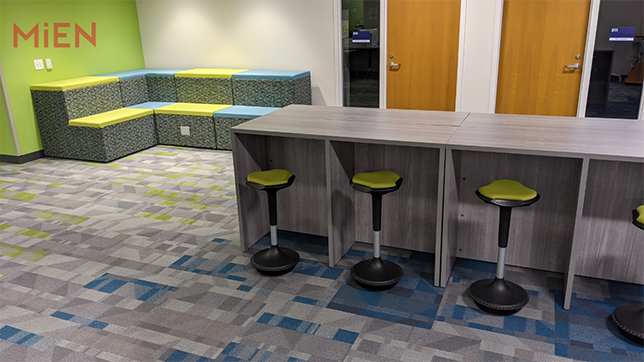
Our single-story school building was built in the 1970s and has been added onto and modified many times over the years. When it came time to give it yet another overhaul last year, the goal was to create a modern, collaborative learning environment that supported group work, Socratic seminars, fishbowl meetings, and STEM learners. We simply couldn’t check off all of these boxes using our existing footprint, so we started looking at how we could modify the space
North Carolina State University is partnering with KWK Architects and Jenkins-Peer Architects for Phase 4 of its five-phase Greek Village Master Plan. Infrastructure work is in progress for a new apartment building and two new townhouse units.

Daytona State College’s Palm Coast campus is set to begin a $4.2-million renovation project that will allow it to expand its nursing program. The college has partnered with DLR Group and Charles Perry Partners, Inc., on the construction that will create teaching facilities to fit an additional 90 nursing students.
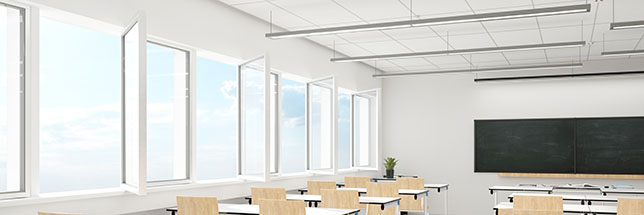
Solutions to modern problems sometimes find their roots in the past. During the tuberculosis epidemic in the early 20th century, many U.S. schools used open-air classroom designs to prevent the virus’ spread among students. Now, during the ongoing coronavirus pandemic, schools are once again turning to this model to allow students the fresh air and proper ventilation necessary for a healthy learning environment.
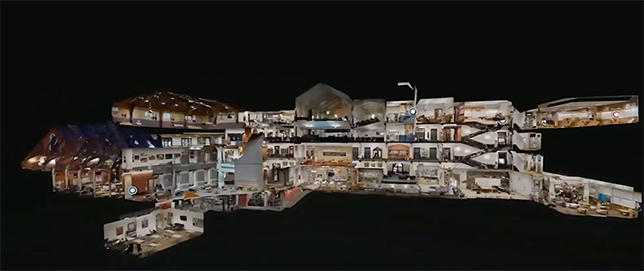
Matterport virtual tours offer the means to help schools set up a reopening plan and relay that information effectively. The technology lets schools create a virtual, 3D rendering of the entire campus. With this digital model in place, officials can get a fuller view of how students use the space, the changes that need to be made, and where to implement them.
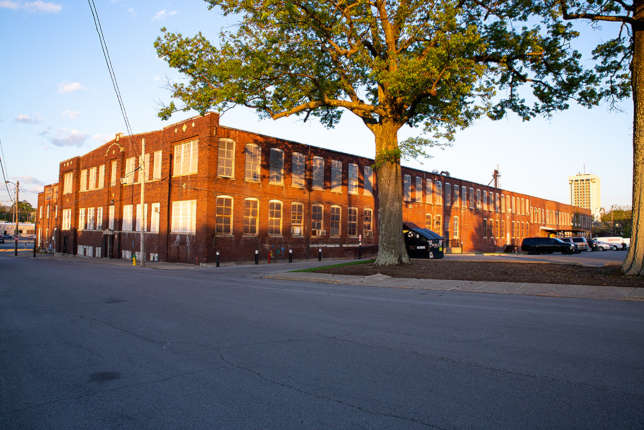
The University of Kentucky has revealed the plans for its new College of Design (CoD). The institution intends to renovate a century-old tobacco warehouse and turn it into a "vibrant and interactive learning space for design students." The design was done by Studio Gang, in collaboration with Louisville-based architect-of-record K. Norman Berry Associates (KNBA).
A California district has "topped off" its new multi-story, $67 million, 83,000-square-foot STEM school. The Los Alamitos Unified School District has laid the last piece of structural framing at the highest point of the building. The steel beam that was placed included handwritten messages, an American flag and an evergreen tree.
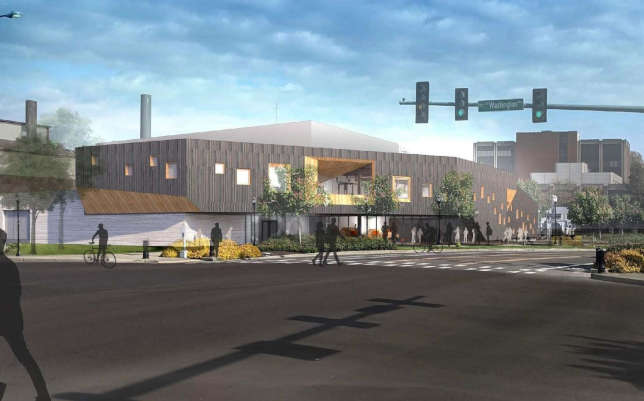
Oregon State University in Corvallis will be getting a new Arts and Education facility. The university's board of trustees recently approved construction of the $70 million complex, which will host performing arts classes, programs and performances on the campus in a 500-seat concert hall.
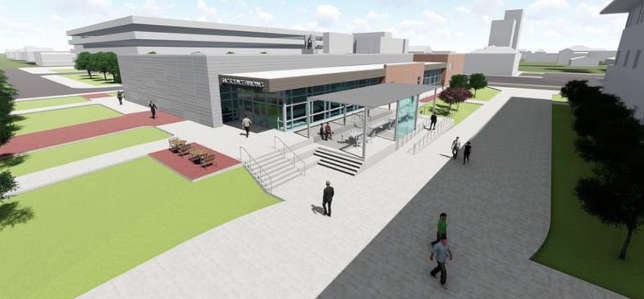
San Antonio College is funding construction of a new $13 million science building from a $83 million bond approved by county voters in 2017.
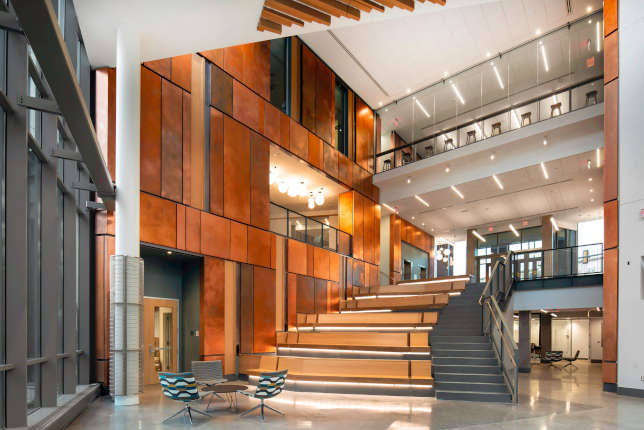
According to the university, the 133,000-square-foot building is intended to support advanced research and economic development initiatives with a design that emphasizes makerspaces, collaborative research facilities and flexible gathering areas.

Ishita Banerjii, project architect at Hollis + Miller, discusses Kansas State University’s new multicultural student center. The building, dedicated to advance student diversity, features various gathering spaces like dance studios, huddle rooms, and a commercial kitchen.
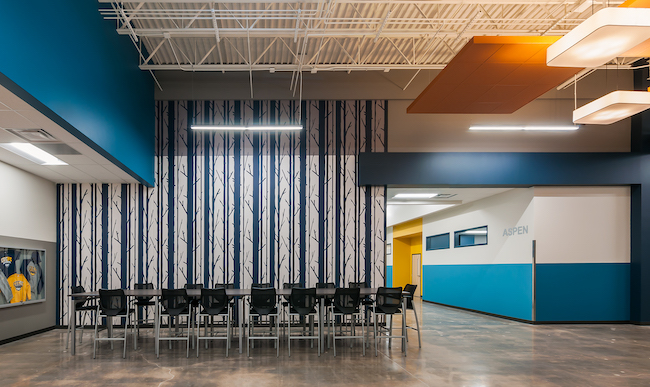
As the education industry assimilates to a new and uncertain future, we can take one lesson from 2020 with us: we must embrace innovative solutions and have the courage to try new things as we plan for the future. Adaptive reuse can support this endeavor.

In this episode of Schools In Focus, Turan Duda and Jeff Paine, founding principals of Duda|Paine Architects, discuss how architectural design is shifting to better address the mental and physical health needs of students.
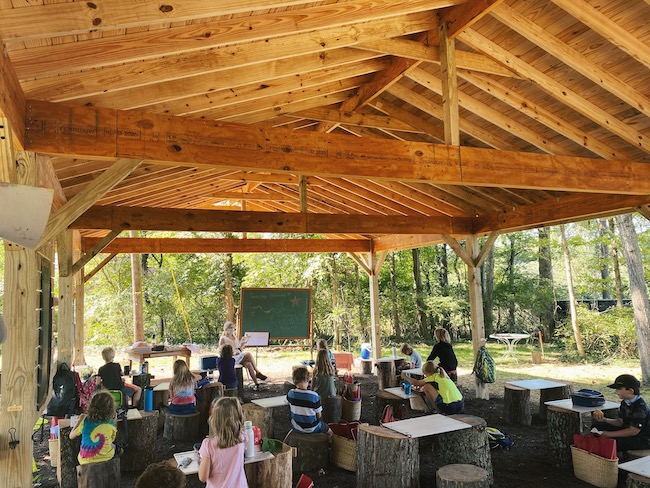
With a curriculum centered on connection to nature and environmental stewardship, Linden Waldorf School's vision for the pavilions were to move all classes completely outdoors where students get to be in nature throughout the whole school day.
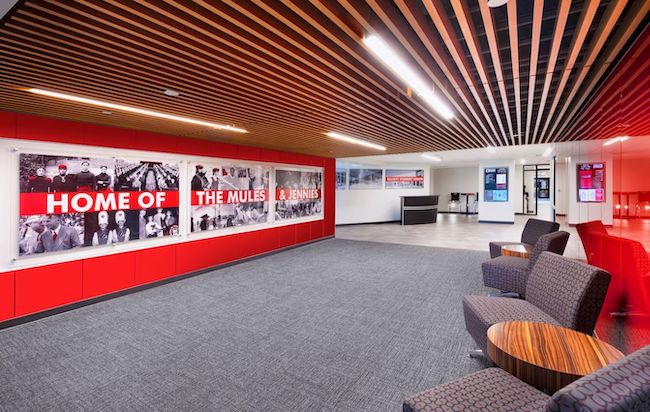
The University of Central Missouri has gone public with an update on a multi-year masterplan for renovating the Elliott Student Union, dubbed as the "campus living room," by the university's community.
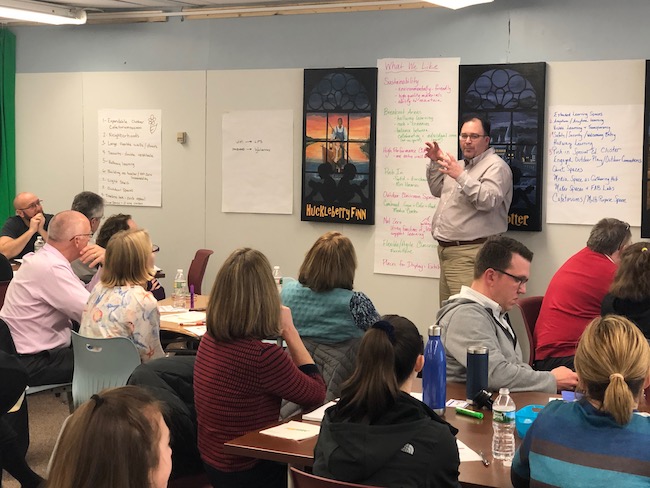
At the onset of a project, the design team and the district must unite to develop the appropriate “Visioning Process” to gain input from teachers, administrators, parents, students, and members of the public. This typically takes the form of in-person workshops or on virtual platforms as we encountered this past spring. The architect can then use that feedback to develop a customized school design that meets the district’s goals and expectations.

Stu Rothenberger, Principal at DLR Group, discusses flexibility on a campus scale, the need for long-term resiliency plans, tackling equity issues, and creating smaller interaction spaces in a post-COVID19 learning environment.

Here are five ways that K-12 school districts can keep their learning space design projects on track in a world where social distancing rules and shutdowns interfere with normal operations.
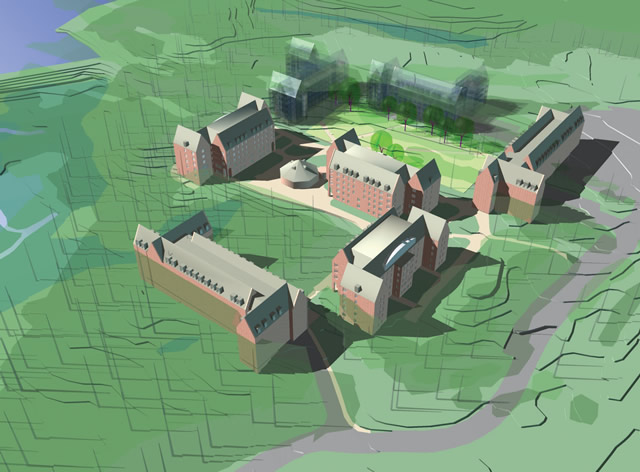
The academic sector is the perfect use case for exploring how design-build is the best delivery system for mitigating risk, increasing the speed of delivery, lowering costs, and delivering great design – all through a simpler, more collaborative process.