Peoria Unified School District
Project Snapshot
PROJECT: Sustainable Solutions for School Maintenance and Management
DISTRICT NAME: Peoria School District
LOCATION: Glendale, Ariz.
COMPANY NAME: Air Cycle Corporation
WEBSITE: www.AirCycle.com
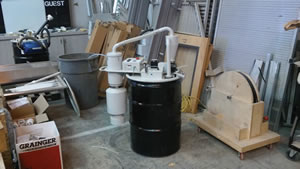
The challenges experienced with K-12 School Districts of any size, like the Peoria Unified School District in Arizona, are managing the disposal of fluorescent lamp waste. Lamps contain mercury, their proper management and disposal is regulated by the EPA, so they must be handled in the correct manner.
THE CHALLENGE
The Peoria School District has over 40 campuses and several support facilities that require time, storage space and associated costs with the proper collection and disposal of intact spent lamps.
“The problem we were encountering at our school district, was the burden with the amount of used fluorescent lamps being stored. We did not have an in house program for the disposal of fluorescent lamps and the expense of packaging the used lamps to send out for proper disposal was excessive,” says Roy Rose, buildings and shop supervisor at Peoria.
THE SOLUTION
A few different solutions exist for proper management and handling of lamp waste depending on the size of the school district. Facilities over 200,000 square feet benefit greatly from using a drum-top lamp crushing system such as the Bulb Eater 3 (BE3) to save space, time, costs and ensure worker safety. The unit is a high quality product that is compact and allows for many different lamp types. The system will allow lamps to be crushed and stored in a proper way until the drums are full and recycled.
This solution allows for the elimination of intact fluorescent lamps being stored in a potentially hazardous situation while providing facility safety from accidental breakage. Valuable storage space will be free from unnecessary boxes of spent fluorescent lamps and allows for the lamp waste to be recycled at a much lower cost.
IMPACT ON LEARNING
The Peoria Unified School District utilized Air Cycle’s services and BE3 machine to efficiently control the amount of spent lamps required for proper disposal from over 40 campuses and several support facilities. This eliminated the need to store the used lamps, waiting for a required amount to package and ship out for recycling, while ensuring facility safety.
“I would recommend Air Cycles services to any facility for significant cost savings. We have saved thousands of dollars in a short period of time, reduced the amount of labor required for managing spent lamps, and gained storage space no longer consumed with boxes of lamps. The machine was a huge benefit to our facilities, safe to use, and simple to operate,” says Rose. IOL
Editor’s Review
Management and disposal of fluorescent light bulbs and other mercury-containing bulbs are regulated under the Resource Conservation and Recovery Act (RCRA) Universal Waste Rule (UWR) and Subtitle C hazardous waste regulations. The EPA is concerned about the release of mercury into the environment. Recycling fluorescent bulbs allows the reuse of the glass, metals and other materials that make up fluorescent lights. Virtually all components of a fluorescent bulb can be recycled. So the district should be acknowledged for finding a way to act responsibly and save costs, which means that those dollars can be used for direct education expenses.
This article originally appeared in the issue of .