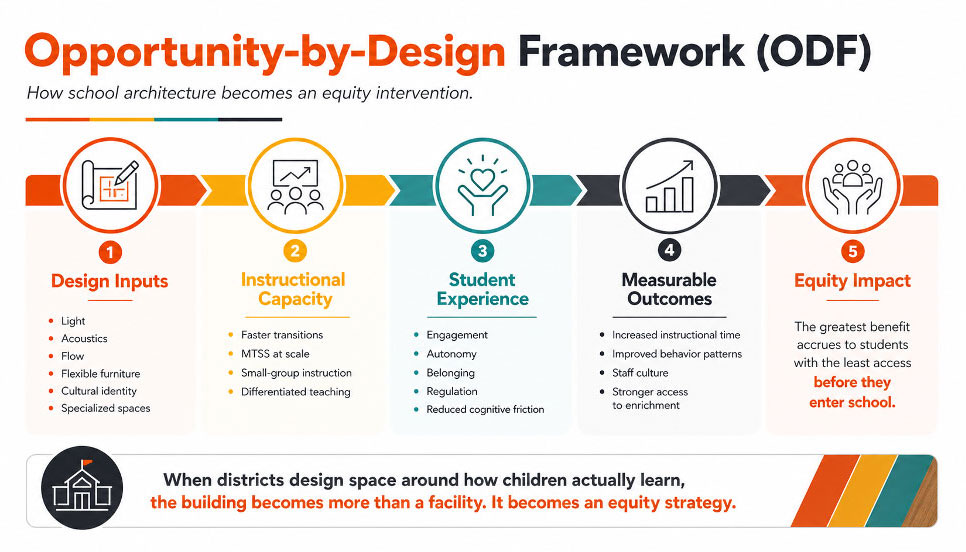
Educational improvement efforts often focus on curriculum, instruction, assessment, professional development, and intervention systems while treating the physical school building as background. But school design is not a passive backdrop to learning — it is a structural lever for equity.
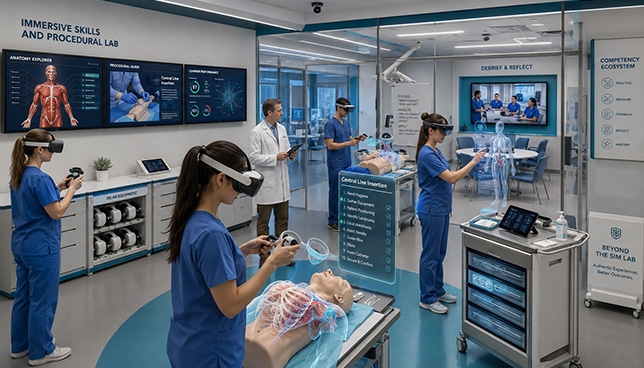
Health sciences education is one of the fastest-growing facility types in colleges and universities. The demand for medical, nursing, and allied health professionals is driving the creation and renovation of medical simulation training facilities that provide students with real-world experience through advanced simulation-based learning.
As school districts race to introduce AI into classrooms, administration, and curriculum planning, another conversation is happening behind the scenes: How prepared are school facilities themselves for the operational demands AI will create?
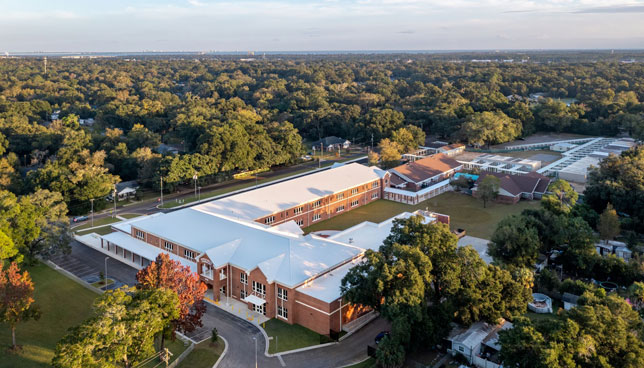
When Escambia County School District needed to replace most of Myrtle Grove Elementary School in Pensacola, Fla., it had three distinct challenges: honor the school's legacy in the community, bring state-of-the-art learning environments to the county, and be seamlessly built on the same site as the active school campus.

Facility performance now intersects with safety, compliance, on-campus experience, institutional reputation, and financial resilience. That places it firmly on the leadership agenda.
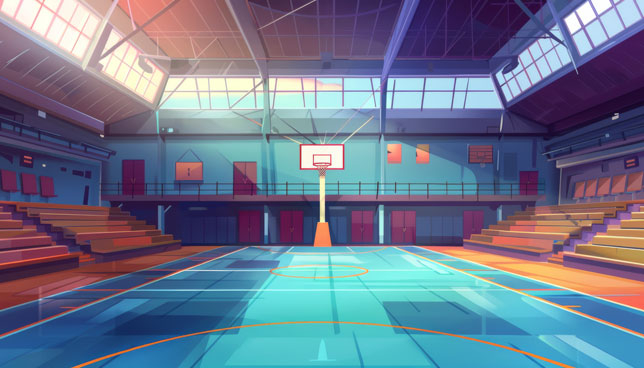
Multipurpose gyms work because flexibility was built into the brief from the start, not retrofitted later. The same logic applies to academic spaces.

Academic performance is not just about preparation. It is closely tied to how students manage stress, maintain their energy, and shift between work and recovery modes. Much of that is influenced, directly or indirectly, by design.
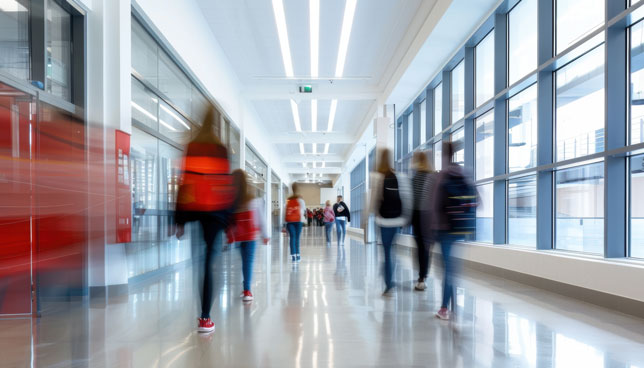
The environments where students learn play a crucial role in shaping their growth in and out of the classroom. By centering design on well-being, flexibility, and purpose, districts can ensure their facilities remain vibrant community assets for many years to come.
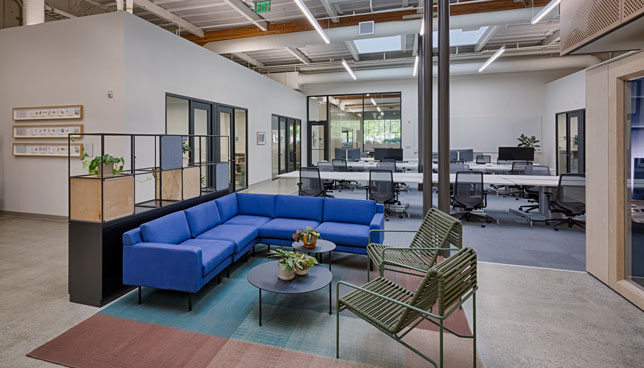
The transformation of a once windowless, concrete publishing warehouse into a sun-drenched center for global innovation began with a single, fundamental challenge: how to turn an industrial storage shell into a space built for human connection.
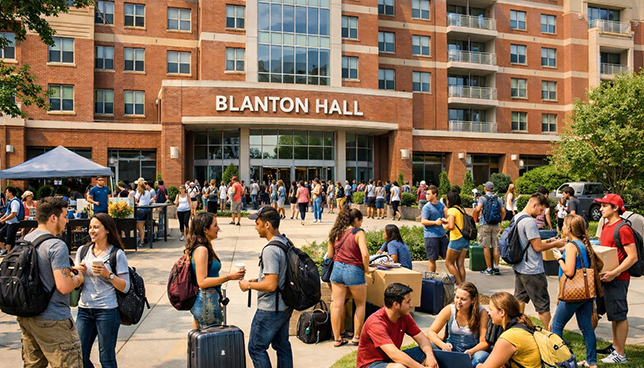
University leaders throughout the U.S. are accelerating plans to modernize and expand student housing as enrollment stabilizes and demand for on-campus living rebounds. Recent data from the National Center for Education Statistics indicates that total postsecondary enrollment is projected to grow through the end of the decade, with undergraduate enrollment alone expected to increase by more than 8 percent by 2030.

For years, higher education has designed learning spaces around technology as a tool for display, capture, collaboration, and connectivity. AI changes that equation.
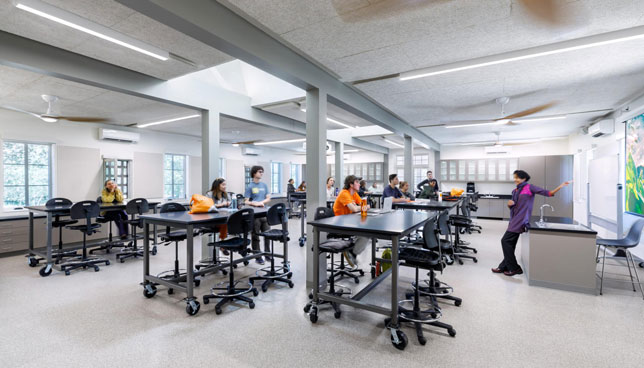
Higher education will continue to evolve, and learning environments must evolve with it. By prioritizing adaptable infrastructure, thoughtful reuse, strong energy performance, and wellness-centered design, campuses can create spaces that support learning today while remaining flexible for the future.
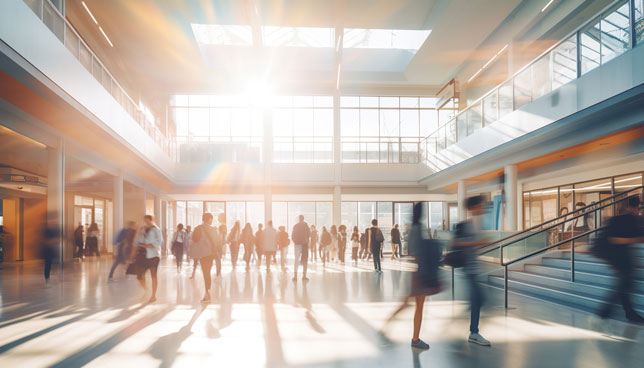
The ebb and flow of students, faculty, and administrators across a campus have a larger impact on maintenance, cleaning, and sustainability than many realize.
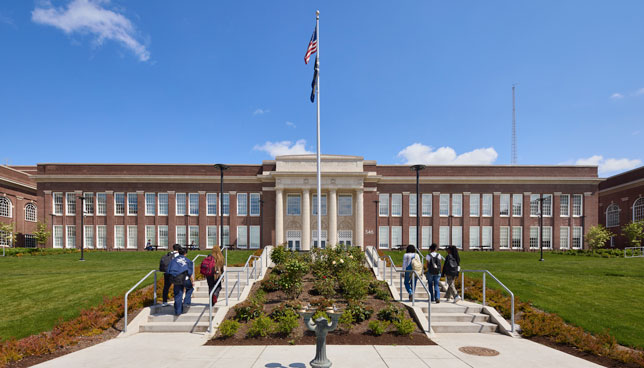
As historic academic buildings age, institutions face a difficult decision: preserve and adapt or demolish and rebuild. How do we honor the legacy of these spaces while adapting them to meet the needs of modern learners?

As education leaders look toward 2026, the design of K–12 and higher education facilities is being reshaped by powerful, converging forces. Survey respondents point to the rapid growth of Career and Technical Education, deeper alignment with workforce and industry needs, and the accelerating influence of AI and emerging technologies.
We asked, you answered, and the results are in! Last year, we put out a call for submissions to collect our readership’s opinion on trends and predictions for K–12 and higher education facilities in 2026.

As universities enter the new year, the question is no longer whether digital transformation is necessary, but how quickly institutions can convert technological potential into strategic advantage.
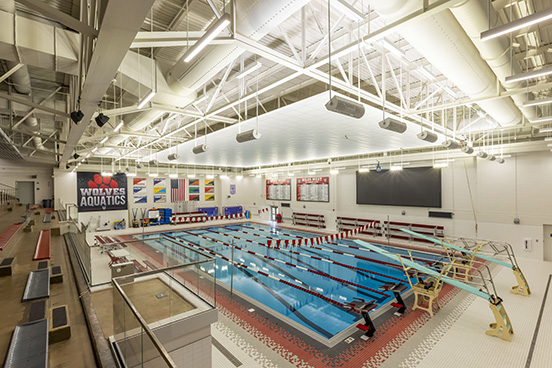
Natatoriums are highly specialized spaces, and luminaires in this setting face several unique challenges. Perhaps the most significant is corrosion, which is exacerbated by high indoor humidity, condensation, and pool chemicals, often resulting in material degradation in luminaires not certified to perform in corrosive environments.
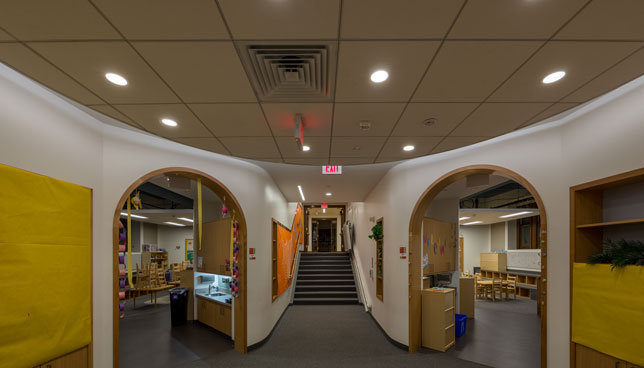
When New City School in St. Louis suffered catastrophic flood damage in July 2022, the event could have marked a serious setback for the 100-year-old institution. Instead, it became a forward-looking opportunity.
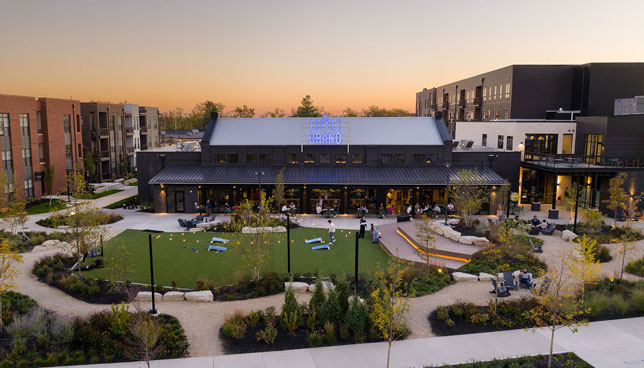
From walkable site planning to flexible interiors, intentional design choices play a critical role in how students experience comfort, connection, and community.
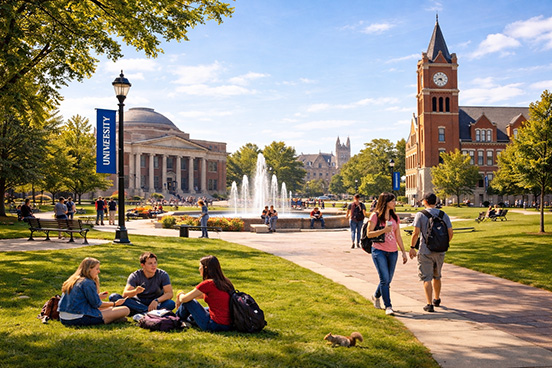
Across the country, public universities and community colleges are accelerating investments in healthcare education facilities as part of a broader strategy to address workforce shortages, modernize outdated infrastructure, and expand clinical training capacity. These projects, which are often located at the center of campus health and science districts, are no longer limited to traditional classrooms.