Going Green is Golden
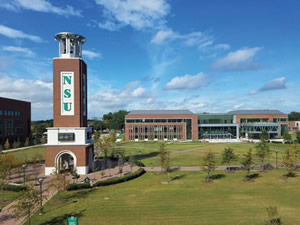
By choosing clean and sustainable GEM vehicles, NSU eliminated the need for volatile fuel storage and oil changes within their LSV fleet.
When Norfolk State University’s (NSU) facilities management set out to reduce operating costs, cut emissions and noise, and improve the safety of their low-speed-vehicle (LSV) fleet, big changes started to happen. The school now owns and operates 22 Polaris GEM LSV vehicles to help with grounds maintenance, utility support, and passenger transportation.
In 2014, NSU acquired a fleet of 10 GEMs that were used primarily for maintenance. By the end of 2017, they added 12 more GEMs, including a six-passenger transport vehicle. Continued attention to improvements has meant the addition of great features—including three-point safety belts and larger capacity batteries. These features have expanded the way NSU uses the GEM.
According to Dia M. Hendricks-Hayes, director of Administrative Services, the goal of acquiring the GEM vehicles was to reduce emissions and noise while containing operating costs and improving fleet safety. GEM vehicles helped NSU meet all those requirements with the added benefit of street legal features that provide flexibility in day-today operations. NSU employees now move around the campus quickly, in traffic, on sidewalks, and even across turf.
Hendricks-Hayes adds that employees who regularly use the vehicles love them, especially the flexibility, range, and maneuverability around campus. As a result, the number of departments purchasing GEM vehicles has increased, adding to the university’s fleet.
By choosing clean and sustainable GEM vehicles, NSU eliminated the need for volatile fuel storage and oil changes within their LSV fleet. Maintenance workers can now focus on the needs of the campus, rather than spending time maintaining the fleet that allows them to do their work—effectively lowering ownership costs by saving on maintenance. NSU is also promoting energy independence by using alternative fuel vehicles with no emissions.
www.GEMCar.com
This article originally appeared in the College Planning & Management May 2018 issue of Spaces4Learning.