Goodlettsville Elementary School, part of Metro Nashville Public Schools in Nashville, Tenn., recently achieved LEED Gold Certification from the U.S. Green Building Council (USGBC), according to a news release. The 81,750-square-foot school opened in 2023 and was designed by Goodwyn Mills Cawood (GMC).
Haʻaheo Elementary School in Hilo, Hawaii, has reopened to students following a three-year, $25-million campus modernization and expansion project that significantly increases the school's instructional space while preserving one of the island's oldest educational institutions, according to local news.
Haws Corporation, which provides hydration and emergency safety solutions worldwide, recently announced that the company is celebrating its 120th anniversary this year, according to a news release.
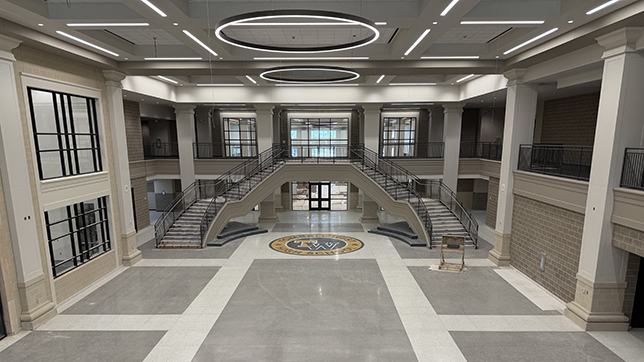
Tomball West High School near Houston, Texas, recently received a K–12 Education Best Project Award in Engineering News-Record’s 2026 Texas & Southeast Best Projects Awards, according to a press release. The new facility was completed in May and opened its doors to students for the fall 2026 semester.