Furniture Company Debuts New School Furniture to Support Active Learning Spaces

MiEN Company, a furniture company serving the education industry, debuted four new furniture products to help institutions outfit active learning spaces.

“These offerings are easily moved around, and many can be quickly stacked out of the way when not in use. This means users can configure them into arrangements that allow for social distancing as needed,” Dr. Christina Counts, Vice President Strategy & Development for MiEN Company, said in a press release. “Of course, that’s not the only challenge that educators have to consider, and I can confidently say that these products can help learning environments adapt to changing pedagogical demands for years to come.”

The new offerings include:

The Always Ready Cafe & Hospitality (ARCH) Collection
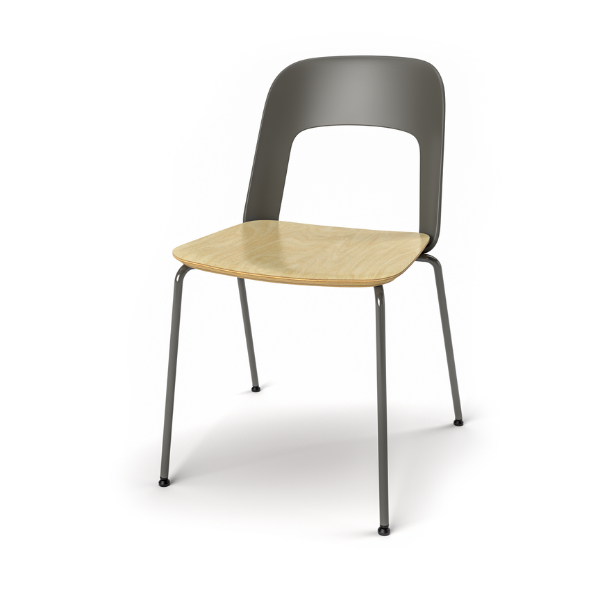
The Always Ready Cafe & Hospitality (ARCH) Collection from the MiEN Company.

The company says the collection is “designed to be functional, practical to use, easy to move around and to stack.”

The Do it Yourself (DIY) Chair
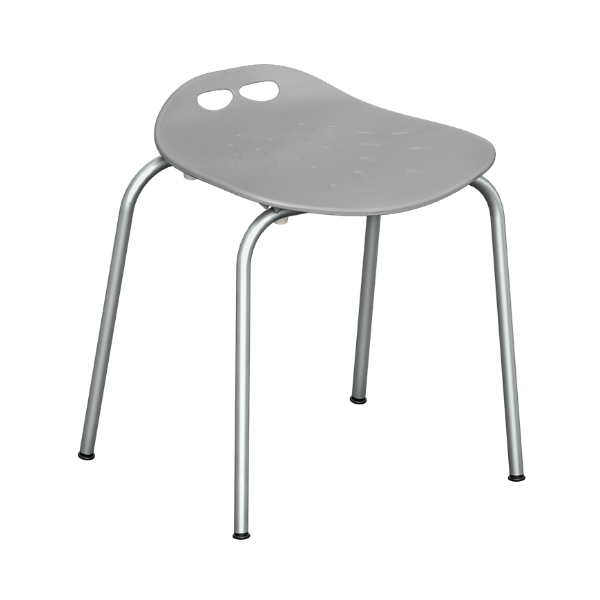
The Do it Yourself (DIY) Chair from the MiEN Company.

According to the company, the chair is designed for active learning environments, is easy to store under tables, and is light and easy to move.

The Multi Solutions Chair (MSC) Chair
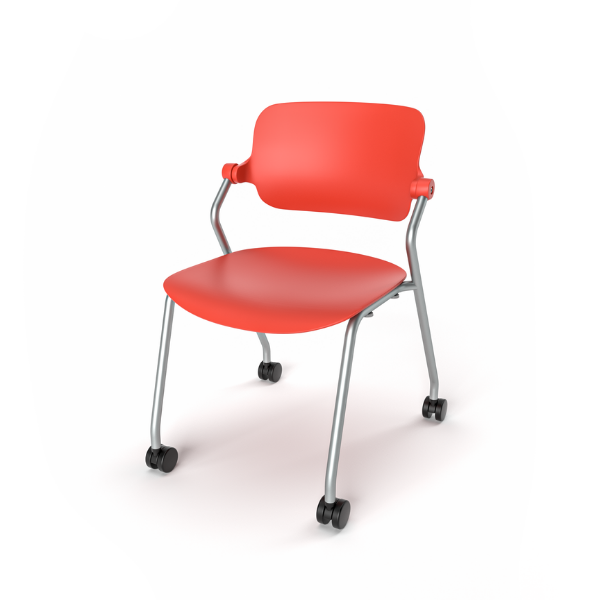
The Multi Solutions Chair (MSC) Chair from the MiEN Company.

The chair is “ergonomically designed to maximize comfort with a gentle flex that responds to the individual,” according to the company.

STAR Counter and Café Stools
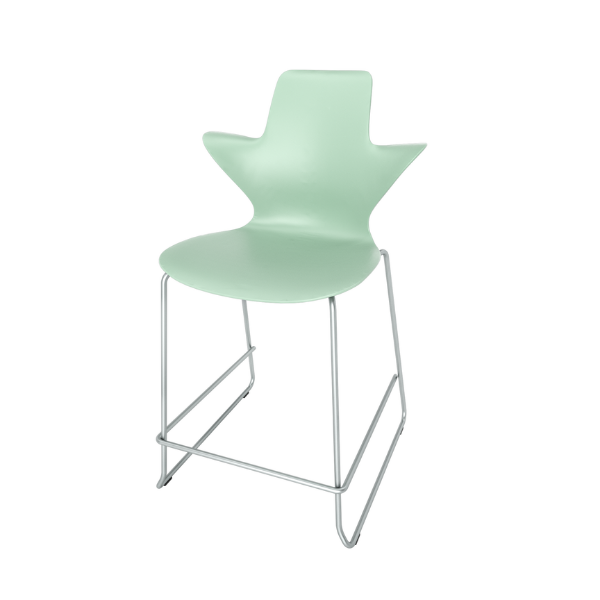
STAR Counter and Café Stools from the MiEN Company.

The stools have winged elbow rests to “promote comfort” and contributes an “innovative design” to learning environments.

About the Author

Yvonne Marquez is senior editor of Spaces4Learning. She can be reached at [email protected].

Featured

  • Embry-Riddle Completes Construction on Research, Lab Facility

    Embry-Riddle Aeronautical University (ERAU) in Daytona Beach, Fla., recently announced the end of construction on a new research and lab facility on campus. The Center for Aerospace Engineering II (CAT II) will support aerospace research and technology development and broke ground last summer.

  • Designing the Bridge Between Inclusivity and Independence in K–12 Schools

    Fostering independence is fundamental to learning and development for K–12 students. It offers many proven benefits, such as enhanced confidence, problem-solving, decision-making, and social skills. However, this foundational objective loses its impact if it’s not accessible and adaptable to all students. Inclusivity plays a critical role in cultivating independence and healthy autonomy for students, fostering positive student learning outcomes by uniting pedagogy with the physical learning environment.

  • Year-Round Schools Require Year-Round Indoor Air Quality Planning

    While many schools are out for the summer, year-round schools follow a more “balanced” schedule with shorter, more frequent breaks spaced throughout the school year. Even though this offers educational benefits, these facilities have less downtime for building maintenance. This can become an issue when facilities managers overlook the importance of routine HVAC maintenance and air duct cleaning services.

  • Planning with Clarity: Using AI to Make Better Campus Decisions, Not Just Better Designs

    Higher education leaders are being asked to make increasingly high-stakes decisions about campus facilities amid greater uncertainty than ever before. Social and economic pressures, shifting enrollment, and evolving learning models compete with growing deferred maintenance needs to strain even the most robust infrastructure budgets.