A Different Approach to Virus Mitigation
Natural Light Found to Help Kill Bacteria Indoors
A recent study conducted by the University of Oregon evaluated sunlight's impact on dust and germs in an indoor space. According to the research, published in the journal Microbiome, rooms exposed to daylight have fewer germs and half the viable bacteria compared with dark rooms.
Kevin Van Den Wymelenberg, Ph.D., the co-author of the study and co-director of the Biology and the Built Environment Center at the University of Oregon concluded that "Until now, daylighting has been about visual comfort or broad health. But now we can say daylighting influences air quality."
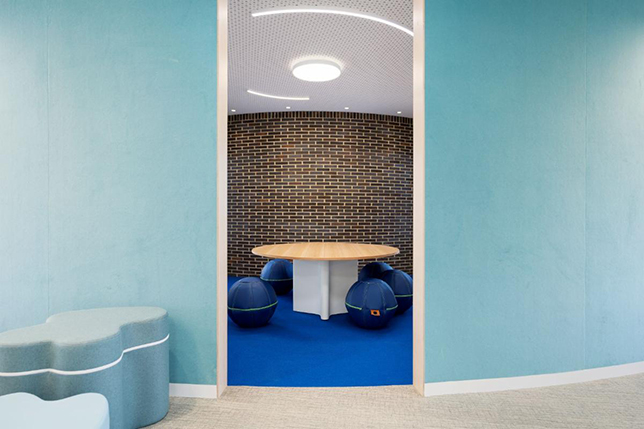
Great news, but what do you do about spaces with limited sunlight exposure? Well, there is another option that's simple and cost-effective: Tubular daylighting, a top lighting system that evenly distributes sunlight without glare and minimal solar heat gain. Tubular daylighting allows for beautifully-natural light without any complicated structural modifications. In addition, the delivery of quality daylight to the school environment has shown to improve concentration, reduce behavioral issues and foster greater student achievement.
Solatube offers daylighting solutions for all types of education spaces including classrooms, gyms, auditoriums, labs, hallways, cafeterias and more.