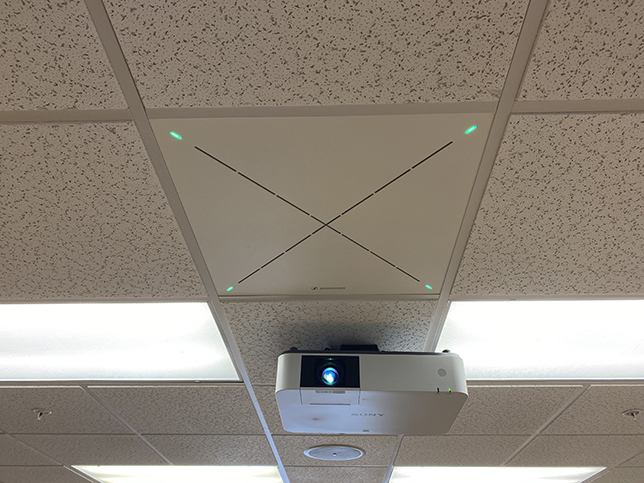
An effort at the University of South Florida has resulted in nearly a hundred classrooms being readied for simultaneous remote and in-person learning. The updates included installation of touchless sound systems and dual cameras.
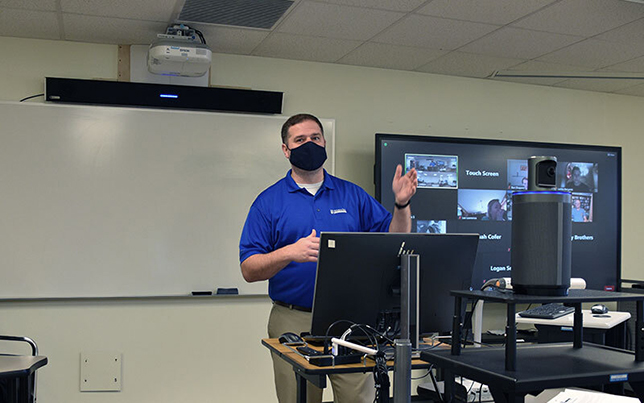
Athens State University, located in Athens, Ga., recently installed Nureva HDL300 audio conferencing systems in almost 30 classrooms on campus.
Throughout the month of March, Boston Public Schools is expanding the number of students it brings back into classrooms for in-person instruction.
The Ann Arbor School Board in Ann Arbor, Mich., approved $63 million in funding for air conditioning and lighting renovations at 13 schools in the district, as well as contracts for future architectural and engineering projects.
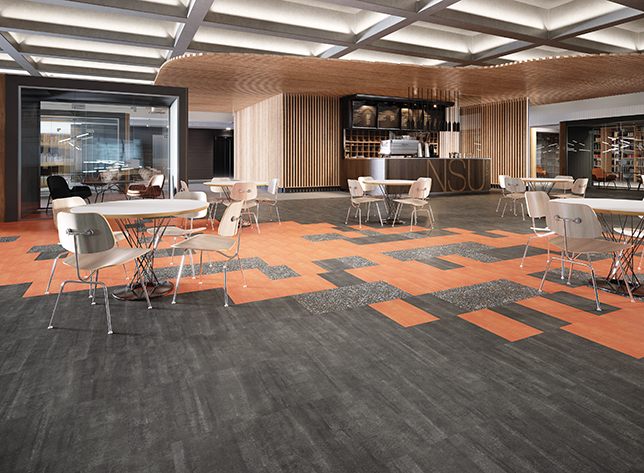
The Mohawk Group has announced the expansion of its Luxury Vinyl Tile (LVT) line, Living Local, with four new styles.
The Bibb County School District in Macon, Ga., announced in a press release that it will be adding needlepoint bi-polar ionization devices to the HVAC systems in each of its schools.
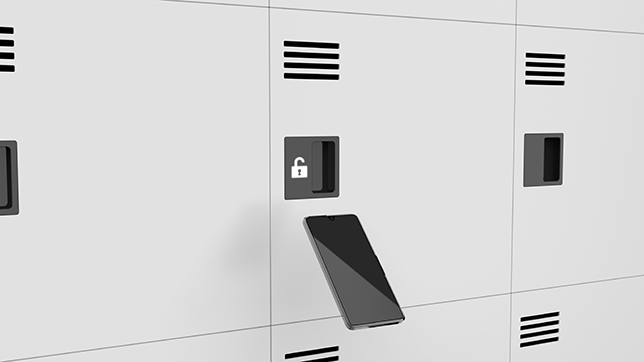
Quadient has become the second-largest provider of parcel locker solutions worldwide after it reached 13,000 installation sites and more than 600,000 lockers overall during FY2020. During the first nine months of the fiscal year, which ended on Jan. 31, 2021, the company reported a 78% increase in the number of packages delivered to its smart lockers.
One of the only remaining components of the $18 million Oakwood City Schools renovation project in Dayton, Ohio, is the installation of a brand-new HVAC system for the high school/junior high building. Currently, about half of the 97-year-old building is running on a new system, and the other half still uses an outdated, steam-heated network, according to school district Operations Coordinator Todd Scott.
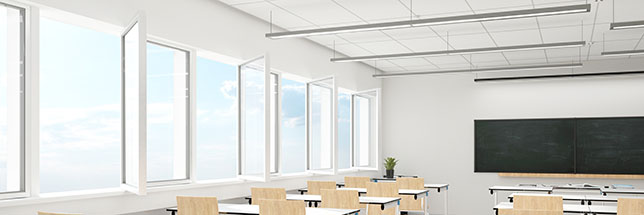
Solutions to modern problems sometimes find their roots in the past. During the tuberculosis epidemic in the early 20th century, many U.S. schools used open-air classroom designs to prevent the virus’ spread among students. Now, during the ongoing coronavirus pandemic, schools are once again turning to this model to allow students the fresh air and proper ventilation necessary for a healthy learning environment.
3M’s Commercial Solutions Division launched a new line of products that reduces the labor and product costs associated with routine floor maintenance, according to the company.
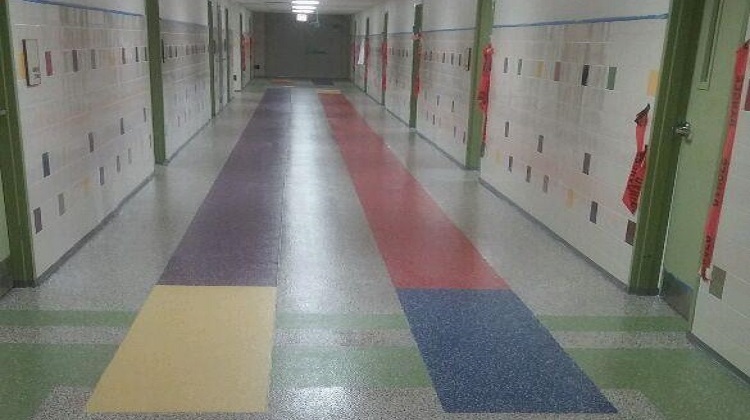
Sustainable flooring is a smart choice for schools interested in providing a healthy learning environment and demonstrating their commitment to a better global environment.
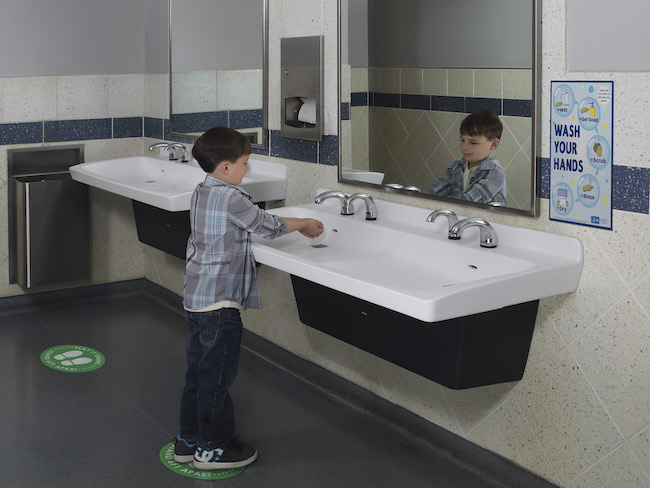
How do you create a hygienic and safe environment equipped to handle everyday usage and increased handwashing activity by students, faculty, administration and staff? And, how do you improve the restroom experience to make it more appealing to its users?
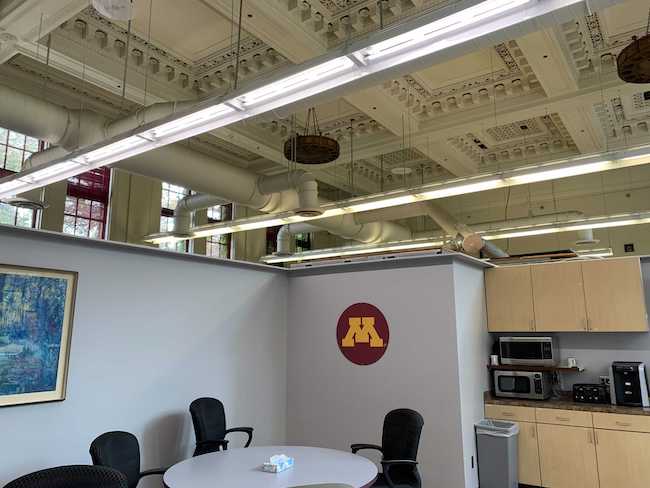
When a physical space offers a little passive noise control, such as high cubicle walls, private offices or softer, sound-absorbing materials, the effects on the well-being of each person — as well as their productivity — can be profoundly impacted.
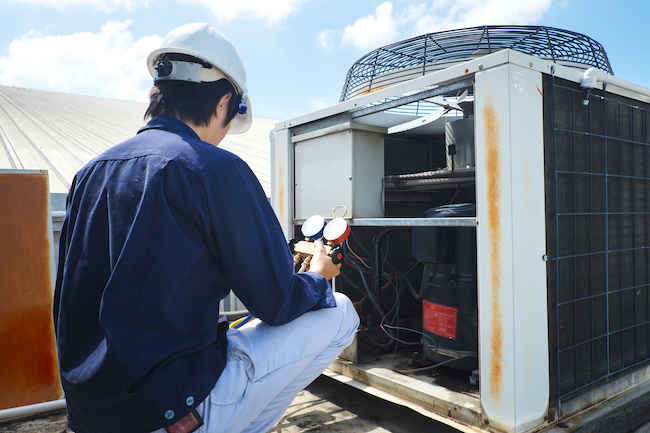
A building’s HVAC technology can help decrease the transmission rate or mitigate the risk of exposure. Thus, schools must consider their HVAC system as part of their overall COVID-19 mitigation strategy, in addition to social distancing, cleaning, screening, signage and operational practices.
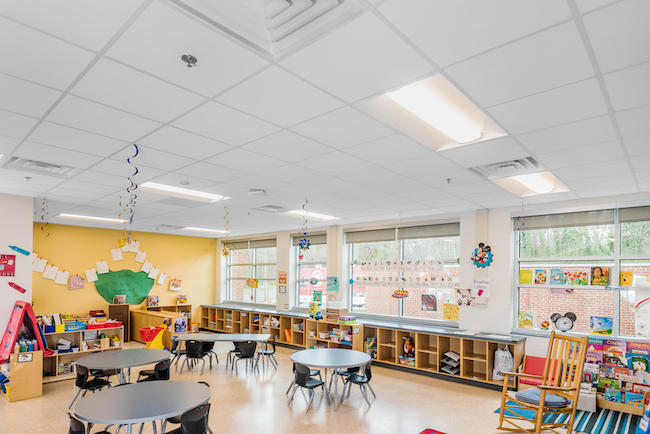
If there is not enough sound absorption in spaces for learning, they are overly loud, reverberant and stressful; not an environment conducive for effective education. Up to one of every four words cannot be understood by students in many classrooms, according to guidelines by the Acoustical Society of America.

A Florida company with an office in Purdue Research Park has introduced a technology it said would help schools reduce the risk of COVID-19 transmission.
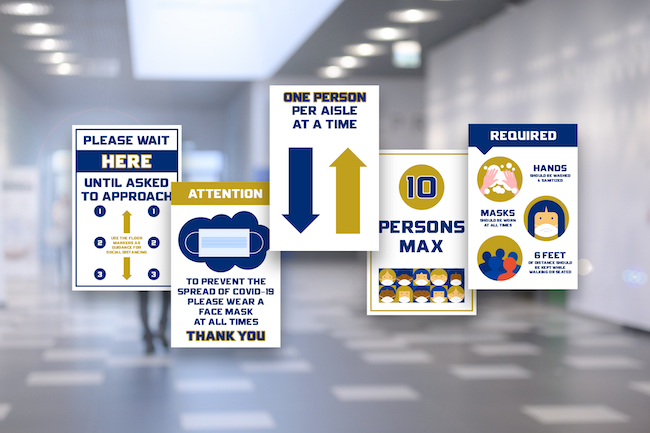
Overall, signage provides a cost-effective and direct solution to the question, “How does the coronavirus change our schools?” Signage plays a role in helping people feel comfortable in their environments and understanding what is expected of them in certain spaces.

Why address comfort in the design of a learning space? When students are physically comfortable, they’re more at ease: They can relax, block out negative thoughts and focus more effectively on instruction.
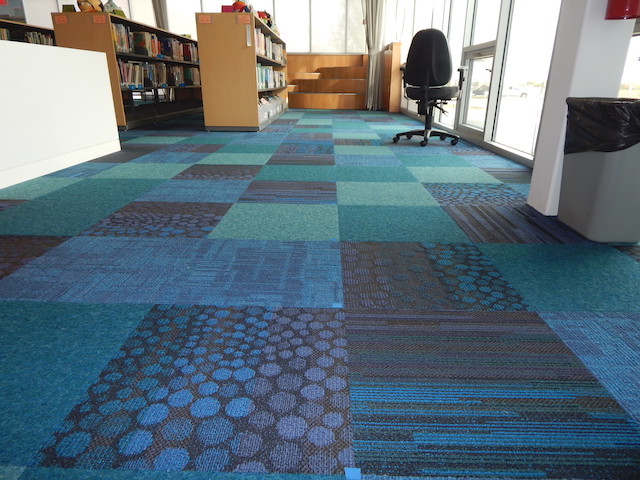
Walls, ceilings and floors, along with all interior and other building elements, must meet budgetary, acoustic, resilience, sustainability and maintenance requirements, with builders weighing such factors and others. Here are some ways that schools are making their interiors stand out.
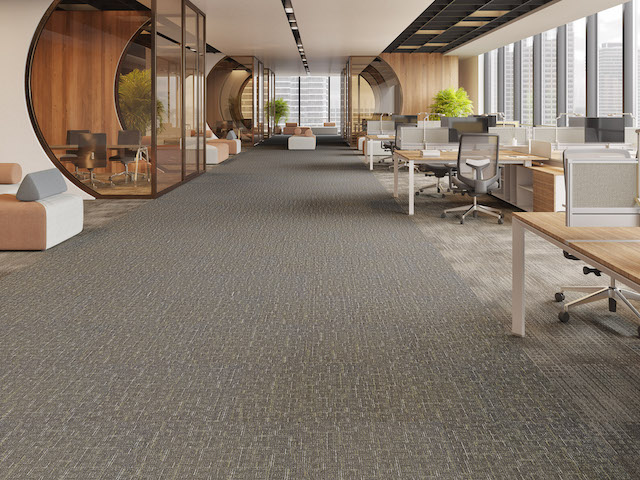
Tarkett, a flooring and sports surface solutions company, launched a new carpet collection in partnership with menswear designer Jhane Barnes.
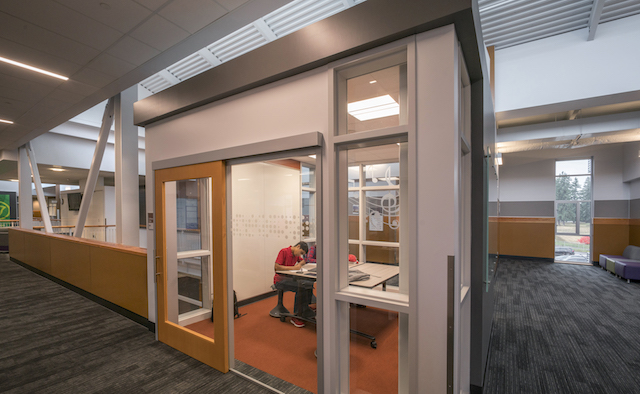
In Bothell, Washington, Dykeman, Inc. worked with the Northshore School District to create a flexible, innovative learning center for 1,600 students centered on collaboration. They incorporated state-of-the-art interior single leaf sliding doors and hardware into eight "collaboration cubes" to pave the way for project-based and problem-based group learning, without compromising design.
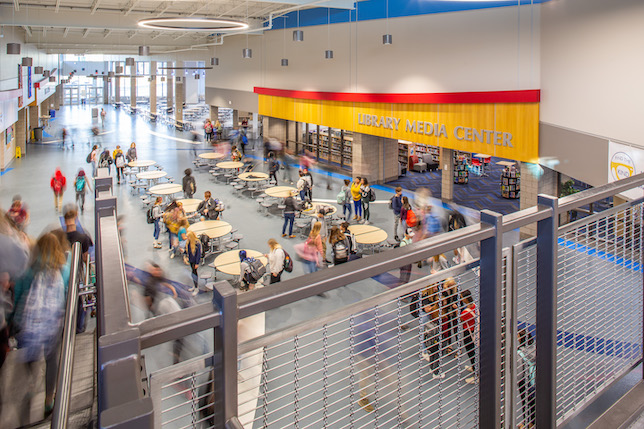
The 333,606-square-foot high school includes the addition of railing infill panels made by Banker Wire, a manufacturer of woven and welded wire mesh for architectural and industrial applications.
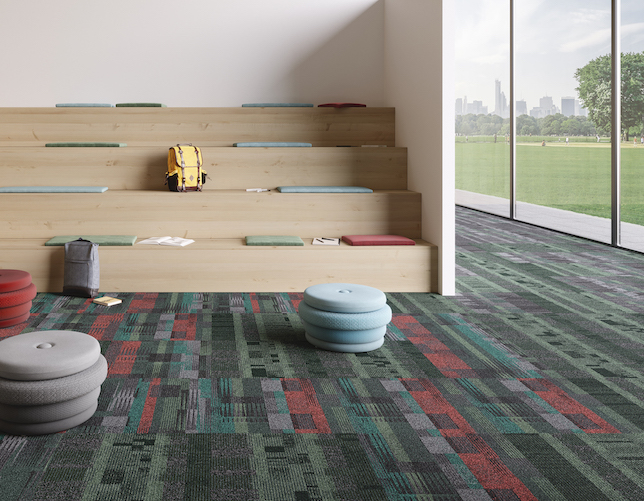
Shaw Contract has launched two new flooring lines for education institutions.
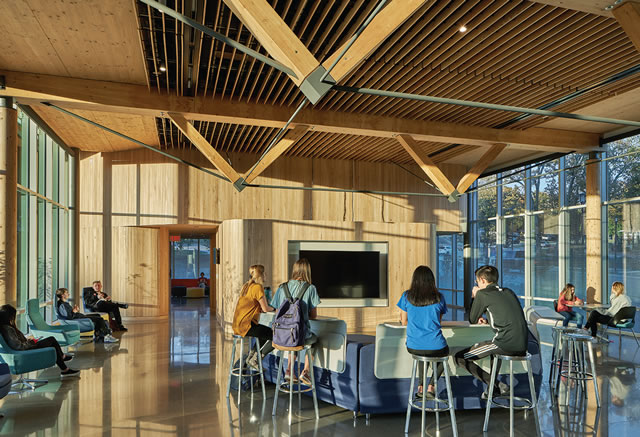
The largest mass timber building in America, Adohi Hall at the University of Arkansas, exemplifies a new generation of wood-framed and light-filled residence halls designed to foster connections.