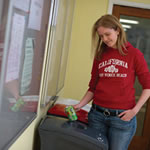
Colleges and universities are involved in a number of reduce-reuse-recycle initiatives as they travel the path to becoming zero-waste.
As the trend of outsourcing services grows, schools need to examine the pros and cons. What should you keep and what's safe to give up?

Creating activity permissible classrooms.
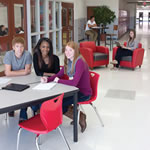
New school designed with student collaboration in mind.
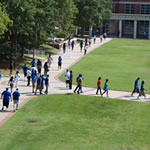
Tennessee State University tightens security with new student ID badges in response to security incidents over the past year.
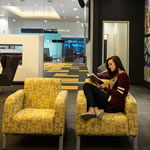
Students are creative, intelligent and resourceful and a great source of feedback when it comes to campus furniture.
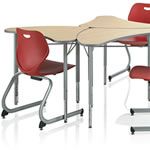
Successful active teaching and learning depends on making the correct decisions about furnishings.
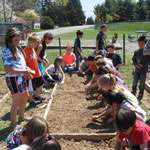
Overall participation is the key to a successful program.
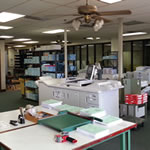
More and more K-12 school districts are discovering the cost-cutting, quality-boosting efficiencies of outsourcing.
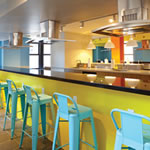
An unconventional commons in midtown Manhattan is designed with students in mind.
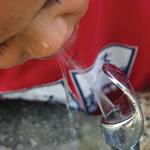
Germs must be dealt with in a firm and consistent manner.
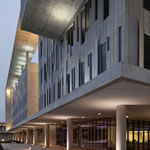
Architects and engineers are incorporating innovative methods and systems into designing buildings to withstand extreme weather.

How do you schedule necessary maintenance projects when school facilities are being used year-round for a variety of purposes?

Administrators share compelling reasons to consider organizing your maintenance department into zones.
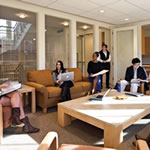
Rethinking the good, the bad, and the ugly of flexible learning spaces.
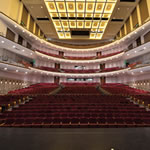
Performing arts spaces are evolving into acoustically advanced, interdisciplinary hubs of campus activity.
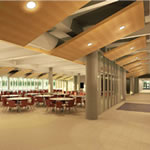
Not your parents' lunchroom!

Today's up-and-coming class of new facilities managers must combine practical knowledge of established methods of maintenance with increased technological options, leadership skills and a customer-focused mindset. It's a challenging balance, and one that current professionals say takes time and focus to achieve.
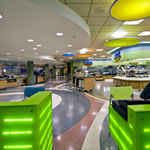
Expert advice on sorting through flooring options for food preparation and service areas.
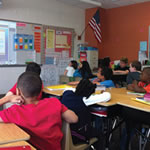
Interactive projectors, monitors and whiteboards provide new teaching and learning tools.
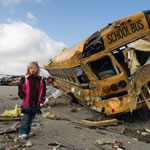
Developing, practicing and planning protocols used to prepare and respond to natural disasters.