Water Conserving Urinal
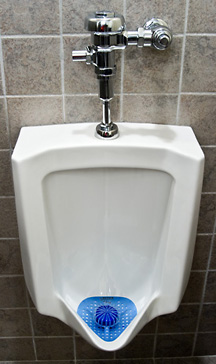
On average, a water-conserving urinal conserves 40,000 gallons of water per urinal, per year. With this savings in water you can enhance your students’ restroom experience with Betco air care and skin care.
School districts across the U.S. are looking for ways to save money. Drought conditions and water bans in Central Texas led Pflugerville ISD to install Betco’s Smart Restroom System, a water conserving urinal system. This innovative system is on track to save in excess of 10 million gallons of water per year, and provides a comprehensive solution to building owners, managers and facility management to reduce operating cost, meet the growing trend in environmental responsibility for LEED and BOMA 360 certified properties and exceed the ever increasing expectations of tenant and building occupant’s for environmental responsibility, building cleanliness and personal hygiene.
Betco Smart Restroom System uniquely meets these needs through the provision of program and product systems that reduce operating costs through reduced water consumption and energy to heat water, assists in LEED and BOMA 360 certification by providing the opportunity to gain points from reduced water consumption and energy to heat water, plus the use of environmentally responsible cleaning and maintenance products, and improves student satisfaction with clean, hygienic and pleasant restrooms.
District Executive Director Bill Clayton says, “Most waterless urinals were expensive and burdensome to maintain. They required totally replacing the existing urinal, which usually was at least as expensive as the one being replaced. This typically would cause the restroom wall and/or floor to need repair after the old urinal was removed and before the new one was installed. The Betco SmartValve was presented to us for consideration. The installation was simple, it used the existing valve body and urinal so there was no facility renovation required.”
www.betco.com
This article originally appeared in the School Planning & Management August 2013 issue of Spaces4Learning.