School District Adds Daylighting With Solatube
When administrators at Douglas County School District in Castle Rock, Colo., decided to add daylight to its K through 12 classrooms, they turned to Solatube International, Inc., the worldwide leading manufacturer and marketer of Tubular Daylighting Devices (TDDs), to bring the sunshine in.
Four hundred and thirty five Solatube Daylighting Systems were installed in classrooms, libraries and common areas at three schools — Northeast Elementary, Sedalia Elementary and Acres Green Elementary. Douglas County School District is the third largest school district in Colorado, serving more than 63,000 students with 70-plus schools.
“Daylighting has proven to not only be more effective than artificial light, being brighter and more resilient, but it also gives the sense of being connected to the outside and morale and performance have historically improved with that,” says the district’s director of Planning and Construction, Rich Cosgrove.
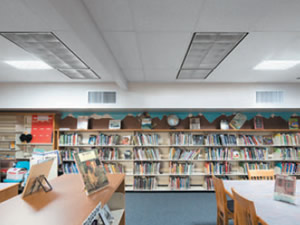
The Douglas County School District added daylight to several of their K12 facilities with help from Solatube.
“The kids are more engaged and work together. I think the daylight improves the moods of the kids and teachers because they are around natural light,” says Northeast Elementary Principal Jeannie Tynecki.
According to Tynecki, the improved natural lighting in classrooms also gives the students energy to conquer the “4Cs” (Collaboration, Communication, Creativity and Critical Thinking) starting with some critical thinking about the engineering behind the Solatube Daylighting Systems.
“Lots of kids have already asked how they work,” Tynecki says. “It starts a good conversation and collaboration among the kids.”
In addition to enhancing the learning environment for students, the Solatube Daylighting Systems also provide a notable contribution to the district’s sustainability efforts.
“In fact, the daylighting projects not only improve the learning environment and morale of the students and staff, they also save significant energy lighting funds and that money goes back into the classroom,” Cosgrove concludes.
This article originally appeared in the issue of .