Lighting Control Strategies for Today's Smart Campuses
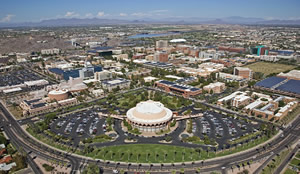
PHOTO © TIM ROBERTS PHOTOGRAPHY
On virtually every campus, there are new buildings in progress and several more being renovated. Trends lean toward more versatile spaces, buildings that emphasize science and technology, and more spaces dedicated to cooperative, collaborative, hands-on learning. In addition, student populations are more diverse, pedagogies are evolving beyond traditional classroom instruction, and attracting top students and faculty is highly competitive.
Lighting control is essential on every one of these projects to ensure a high-performance environment. Follow these five tips to ensure your lighting control solution goes beyond energy savings to meet the goals of your long-term master plan, improve day-to-day facility maintenance, and create dynamic, comfortable environments.
Lighting is not a one-size-fits-all solution
Variable lighting environments are essential to high-performance buildings. The university library — one of the most critical buildings on any campus — is an ideal example. Tailor lighting control solutions with simple occupancy control in book stacks, fully adjustable lighting control in meeting rooms and conference areas, shading solutions to maximize views while minimizing glare and heat gain, and personal control for office spaces and study carrels. Flexible, centralized control ensures you can deliver the lighting performance you need in each space, without paying for features you don’t need.
Pat Henry, an electrician at Franklin and Marshall College in Lancaster, Pennsylvania, emphasizes the advantages of flexible lighting control in their lighting retrofits, “We can use the right mix of products in every space from open offices, to classrooms, to meeting rooms — it makes product bids, installation, and programming easier and less time consuming.”
Smart lighting control makes for smarter buildings
Better data management is the key to better lighting outcomes. Expandable, scalable, digital solutions enhance your ability to standardize across the entire campus. Central monitoring and control software, installed on any smart device, empowers facilities teams to problem-solve, and respond quickly to maintenance requests while improving space utilization and delivering more versatile classrooms.
Finally, intuitive graphic user interfaces provide system metrics that can help reduce capital and operations costs, while accommodating the people in the space and meeting energy goals. Features like actionable alerts proactively identify potential problems, occupancy information helps improve maintenance schedules, and data informs space management decisions.
Wireless control simplifies lighting retrofits
Wireless solutions offer the freedom to start small and expand over time as budget and master plans allow. They are game-changing, especially in the face of rapidly advancing technology, updated building codes, and constantly evolving learning practices. Wireless systems also facilitate cost-effective, code-compliant energy retrofits while reducing design and installation costs.
With scalable, wireless systems, your facilities team can define exactly the right amount of control for each space and tailor the system to different light sources, while ensuring that setup is the same across the board. And, wireless installation eliminates a tremendous amount of pipe and wire for additional cost savings.
Choose a trusted partner — for the long term
Choose a lighting control provider that adds value and helps enhance operational efficiency. From a single dimmer or sensor, to integrated lighting and shade control in your most iconic buildings, there is a wide range of solutions available. The right control partner can help define the appropriate sequence of operations, meet specified foot candle requirements, provide intuitive control for smart podiums and daylight integration to support sustainable building design, and transform the academic experience.
Invest in lighting control that respects your mission and can help —
- Lower capital costs, and operational demands
- Make the most of capital project funding
- Manage operations resources more effectively
- Minimize risk across campus buildings.
The right lighting control solution is essential to delivering the right environment, reducing operating and maintenance costs, and meeting the goals of your campus master plan.
This article originally appeared in the issue of .