Biometrics: Eye See the Future of Campus Safety
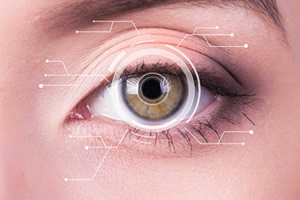
PHOTO MAXIMP
Biometric authentication is the automated recognition of an individual using unique physiological characteristics, such as fingerprints or irises, and/or behavioral characteristics, such as keystroke pattern.
At the University of Georgia (UGA) in Athens, according to their website, a security upgrade in Dining Services and the Ramsey Student Center has replaced biometric hand readers with Iris Recognition Technology. The system works by taking a picture of the iris and then comparing it to biometric data kept on file with the university. The new system provides more accurate, faster and contactless facility access.
The system provides accurate authentication from 10 to 14 inches away in fewer than two seconds. The identification works with contacts, eyeglasses and goggles.
The new technology is expected to decrease customer wait time at the turnstiles and provide a hygienic and hands-free entry method into UGA’s five dining commons and the Ramsey Center.
Georgia Southern University in Statesboro has done the same, retiring their fingerprint readers in order to upgrade to an iris-based ID authentication system to allow access either of the campus’ two dining commons. There is no need to worry about students who may have lost or forgotten their ID cards, or whose hands are full and need to spend time juggling books, a backpack, a phone or other items in order to free up a hand for scanning. They simply stop at a turnstile, look into an iris reader and a second later they’re on their way.
The benefits of biometrics identification are not limited to knowing who has entered the dining hall in search of lunch. Broader applications for safety include campus-wide access control. Knowing who is accessing research labs, daycare facilities, residence halls, medical facilities, administration areas and more can aid in promoting a secure environment.
This article originally appeared in the issue of .