Organizational Management for Safe Working Conditions in Schools
School officials and building managers must continue to be progressive in providing an adequate and safe work environment for those that maintain school facilities. The building envelope has to be a priority and having the right safety procedures in place makes everyone in the school building safer. Maintenance staff, security, and custodial staff should have the safest environment to work in.
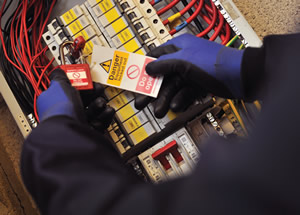 General personal protective equipment should be a standard in every school district. Having certified-written hazard assessments and Lock-out/Tag-out procedures should be a must in every school. A set of guidelines and written safety procedures allows operations staff to properly identify hazards. Once identified, the worker or staff member has some guidance on how to proceed from a safety standpoint.
Everyone should be provided a safe work environment. Third-party assessments for all school buildings can be costly, however the cost truly outweighs the risks of someone getting injured. A certified hazard assessment will allow the owner to identify electrical, chemical, noise, and respiratory hazards in a school building. General hazards such as noise and chemical hazards can also be identified and planned for. Proper assessments, safety guidelines, and training will prevent injuries.
It is common for school divisions across the country not to have formalized plans. The initial step in making a plan for operational safety in school buildings is to first understand the desired outcomes. Once a certified hazard assessment is conducted and all hazards are identified, then procedures are put in place for those variables.
The type of work being done will also determine the type of PPE (Personal Protection Equipment) required for the identified hazard. For example, is an arc flash suit needed, is a respirator needed, eye protection, etc. … It may be a good practice to also collaborate with your local fire marshal for common fire hazards in schools. Health officials may also be a good resource for MSDS (Manufacturer Safety Data Sheet) and chemical hazards that may be present in schools.
Some other common hazards in schools that need to be considered include natural gas, electrical and power sources, utility disconnects, and ADA capabilities. Mitigation plans should be developed based on the hazard and then prioritized according to the highest need for immediate safety plans.
Lock-out/Tag-out procedures and plans are another form of controlling for hazardous energy. The intent is to secure an electrical device or a piece of equipment by locking it out with a lockout device. This prevents a technician or service person from doing work on a suspect device that may cause injury.
Tagging out refers to labeling a tag so the technician or service person has an understanding of why the piece of equipment needs repair. Having specific plans and methods for energized equipment can prevent a shock or hazard within a piece of faulty equipment. The process of powering down and securing equipment helps technicians be prepared for possible incidences and the Lock-out/Tag-out system allows anyone else that may have to do work to gain some knowledge of a problem with the system.
A safe work environment should not be one of chance. Methodical planning, preparation, and the adequate PPE help promote safety. Hazard assessments and Lock-out/Tag-out procedures are essential in planning. Identifying risk factors and providing safe solutions to mitigate those factors keep everyone safe.
This article originally appeared in the School Planning & Management June 2018 issue of Spaces4Learning.
About the Author
John A. Bailey, Ph.D. is the director of School Plants for Chesapeake Public Schools and a National School Plant Managers Association board member, representing Virginia, and a Virginia School Plant Managers Association board member, representing Region II, in Virginia.