California High School Plans Summer Construction

San Benito High School in San Benito, Calif., recently announced plans for summertime construction to complete some facilities projects and begin others. Among those breaking ground will be a new Science and Robotics building set to be completed in 2019, along with a host of physical education and athletics projects—including a new stadium.

A multi-use field on the campus will be completed over the summer break, along with various renovation projects at the High School. Accessibility enhancements, and other upgrades, including solar panel installation will also be undertaken over the summer break.
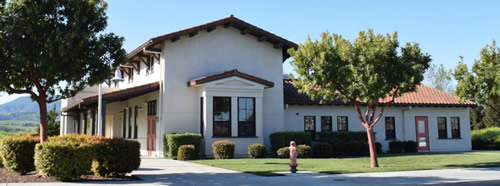
Stoughton High School

Featured

  • Purdue Fort Wayne Opens New Student Housing Complex

    Purdue University Fort Wayne (PFW) in Fort Wayne, Ind., recently held a ribbon-cutting ceremony for a new, 600-bed student housing complex on campus, according to a news release.

  • Minnesota District Opens New PreK–12 School

    Gibbon-Fairfax-Winthrop Schools in Gibbon, Minn., recently announced that construction is complete on a new, $68.9-million school for students in grades PreK–12, according to a news release.

  • Wenger Names New Vice President of Sales for Performing Arts, Controls

    Wenger Corporation, which provides products and solutions for music and theater education, performing arts and athletic storage, recently announced the hiring of a new Vice President of Sales for Performing Arts and Controls.

  • Q&A: How to Prevent Kitchen Grease Fires in Commercial Kitchens

    School cafeterias and university dining halls serve thousands of meals daily, relying on high-heat equipment like fryers, grills, and ovens. While these operations keep students fed, they also generate significant grease-laden vapors. Without proper controls, this grease becomes a silent fire threat. As a certified exhaust cleaning specialist and business coach who has helped hundreds of institutional facilities achieve NFPA 96 compliance, I emphasize that proactive grease management isn’t optional; it’s a core fire/life safety practice.