Residence Facility Takes Shape at Mercer University

Construction started recently on the Lofts at Mercer Landing (the Lofts)—a mixed-use student residence at Mercer University in Macon, GA. The new residence facility will add 306 beds to Mercer’s housing stock and will accommodate students who are part of the growing university.
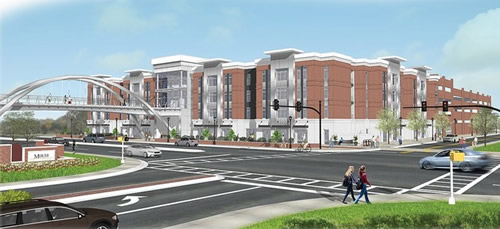
Lofts at Mercer Landing

Along with student housing, the Lofts is designed to feature a 316-car parking area, which will help create more spaces for commuting students. Sierra Development and SPP Commercial Group are handling design and development for the Lofts project. Construction for the project will be completed in August of 2019.

Featured

  • University of Rochester to Break Ground on New Student Life Center

    The University of Rochester in Rochester, N.Y., recently began construction on a new Student Life building, according to a news release. The first floor will contain campus-wide gathering, program, and rehearsal space; the second floor will play home to the Greenbaum Center for Jewish Life.

  • California District Debuts New High-School CTE Center

    The West Sonoma County Union High School District (WSCUHSD) in Sebastopol, Calif., recently held a ribbon-cutting ceremony for the new CTE Center at Analy High School, according to a news release. The district partnered with Quattrocchi Kwok Architects (QKA) for the facility’s design and GCCI for its construction, and funding came from local Measure A bond funds.

  • Houston-Area High School Receives Best Project Award from ENR

    Tomball West High School near Houston, Texas, recently received a K–12 Education Best Project Award in Engineering News-Record’s 2026 Texas & Southeast Best Projects Awards, according to a press release. The new facility was completed in May and opened its doors to students for the fall 2026 semester.

  • Growing Allied Health Workforce Demands Fueling Greater Need for Higher Education Facilities

    With the demand for healthcare professionals at an all-time high, colleges and universities are challenged with supporting the workforce demands in their own communities. Careers in allied health generally require specific training and/or certification, with some positions requiring degrees, certified credentials, and continuing education.