Texas Technology Academy Opens for Students

The new Katherine Johnson Technology Magnet Academy was recently completed and is preparing to open its doors to students for the upcoming 2018 academic year. The 109,500-square-foot, two-story building will serve students in the DeSoto Independent School District in DeSoto, Texas.
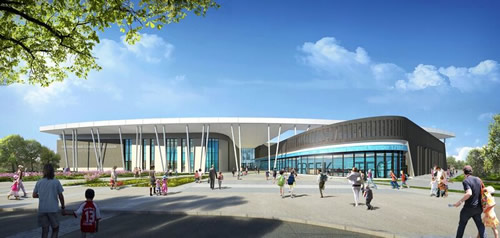
Johnson Academy

The Johnson Academy will offer students the chance to explore and grow using the latest technology and project-based, collaborative learning. The school will also feature a two-story media center, along with computer labs, music, and art spaces. Architecture firm Perkins+Will handled the design and planning of the school, which will house almost 900 students.

Featured

  • Dallas ISD Voters Approve $6.2B Bond Package

    Dallas ISD voters have approved a record-setting $6.2-billion bond package that district leaders say will modernize aging campuses, eliminate portable classrooms and reshape learning environments across one of the nation’s largest school systems.

  • Rhode Island Boarding School Completes Student Dorm Renovations

    St. George’s School in Middletown, R.I., recently announced the completion of a $26-million renovation project on Arden-Diman-Eccles Dormitory, according to a news release. The school partnered with Voith & Mactavish Architects (VMA) on the new space, which places a new focus on collaborative community spaces open to both boarding students and day students.

  • University of Tennessee at Chattanooga Launches New Emergency Communications System

    The University of Tennessee at Chattanooga (UTC) recently deployed a new emergency notification and incident management system for its campus, according to a news release. The university partnered with 911Cellular to launch Safe@UTC, a smartphone app allowing university officials to communicate and respond during emergency situations.

  • Pitzer College

    Designing for Change in Higher Ed Learning Environments

    Higher education will continue to evolve, and learning environments must evolve with it. By prioritizing adaptable infrastructure, thoughtful reuse, strong energy performance, and wellness-centered design, campuses can create spaces that support learning today while remaining flexible for the future.