Safe School Buildings
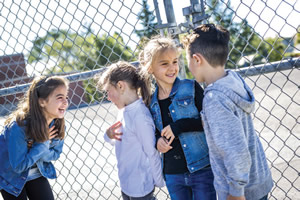 School divisions around the country are gearing up for a new year. K-12 facility managers have spent the summer tackling maintenance issues in preparation for students and staff returning back to the classroom. The 2018 school year brings new challenges to maintaining and managing the physical infrastructure of the school building. Hardening of our schools has become a priority due to the recent tragedies around the country. These changes have affected monitoring of the building from a safety standpoint, while keeping the physical plant as safe as possible for all stakeholders.
The National School Plant Management Association’s President, John Rome of Louisiana, recently created a safety questionnaire for school plant managers across the country. The survey represented facility managers from coast to coast. The questionnaire focused on building safety from an operations standpoint. School divisions are constantly revising and implementing safety plans, lock down drills, and intruder drills. These scenarios allow students and staff to have best practices in place. Hardening of schools not only allows for enhanced physical safety awareness, but also provides a safer school from a physical plant perspective.
Based on the survey, many school divisions are installing secure entry systems with cameras at the main entrances. These systems allow for two way communication. This enables security or main office staff to screen visitors before they enter the building. Once the guest has entered into the doorway, some form of metal detection may be used. If it is determined that it is safe, then the visitor may proceed into the building. This type of monitoring system can be costly. Funding continues to be an issue for many divisions. Having this type of monitoring system is a good investment for safety.
Another approach to harden school buildings is to secure any exposed areas near the perimeter of the school with fencing. No trespassing signs should be posted and visible at main points around the building. Another means of intervention may include the use of security ballistic film on windows. Some divisions have gone as far as installing bullet and shatter proof glass. Having adequate door locks and monitoring systems should be a central focus for many school divisions. Fobs or employee key cards are now being used to track and monitor doors around the schools. This new technology eliminates the old key and lock system that is customary.
The ability to control access to doorways throughout a school is another unique way to instantly lock down a building. Installing door control systems in a school building allows school administrators to lock down all interior and exterior doors with an administrator control feature. These security systems can be costly. Direct access and control features allow the school to have complete access to all doors and locks in a school building during a safety situation. Doorway infrastructure in many schools is outdated. Investing in new doors, locks, and hardware may help to better secure the building.
One challenge that many schools divisions are facing is how to control access outside of the building during the school day. Students come and go from the building to portable classrooms. Many school divisions are faced with housing hundreds of portable classrooms. Behavior modification is a key focus for training students and staff. This training should focus on not allowing other students entry into the building during the day unless it is at a security controlled area or doorway. Managing students and staff coming and going may be best by using staff or security personnel to monitor the single access point. However, this continues to pose a safety concern based on the volume of students and size of a school.
There is no complete method that will make our schools 100 percent safe. School divisions should implement means to enhance monitoring and building infrastructure. Resources may include lock and door hardware, perimeter fencing, and two way communication with monitoring capabilities. These steps are a good start to enhance safety from the building perspective. A good building outlay that focuses on a safe environment will mitigate a related issue in a school. Students and staff must feel safe in their school building.
This article originally appeared in the School Planning & Management September 2018 issue of Spaces4Learning.
About the Author
John A. Bailey, Ph.D. is the director of School Plants for Chesapeake Public Schools and a National School Plant Managers Association board member, representing Virginia, and a Virginia School Plant Managers Association board member, representing Region II, in Virginia.