School Facility Maintenance to Prevent Pest Problems
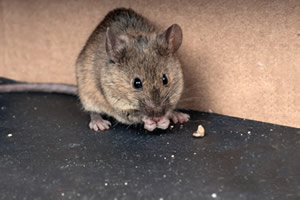
PHOTO COURTESY OF TERMINIX
It can be challenging to keep up with the many maintenance needs of unique spaces such as schools—especially during the busy fall season as children return to the classroom. The steady stream of foot traffic from students, teachers, and parents entering and exiting a facility increases the possibility that pests may enter undetected. Furthermore, these facilities are often limited by state and local regulations regarding chemical control methods that can be used on or in the structure. Fortunately, there are several simple preventive maintenance tactics that facility managers can implement this fall to reduce the likelihood that pests will enter the building.
A key strategy that school facility maintenance professionals should familiarize themselves with is exclusion, which is part of a proactive pest management approach focused on keeping pests out in the first place.
What pests can exclusion strategies help prevent?
Declining fall temperatures often motivate a variety of pests to seek shelter indoors. These include overwintering pests, such as multicolored Asian lady beetles, cluster flies, and brown marmorated stink bugs, that seek shelter where temperatures are warmer. These pests do not eat or mate during cooler months, and wait for spring to find a mate and start the next generation. Rodents, such as mice and rats, may also attempt to enter a structure when temperatures drop. Unlike the overwintering pests, they will search for food and water, and reproduce inside the structure.
What steps should I take?
Routinely inspect the exterior and interior structure to help locate areas that need to be repaired—including any opening wide enough to allow light through. Problem areas may include openings around utility penetrations, insufficient drainage, and leaky pipes, gaskets, or hoses. These areas should be sealed with an appropriate barrier, such as caulk, tin, or other materials. Staff should check the fit of windows and doors (including both man and overhead), and install door sweeps on any exterior entry door or passage into a sensitive interior space, such as a cafeteria, kitchen, or laboratory.
In addition, keep a thorough log of observed pest activity outside, on, and near the structure. This information may provide important clues in the event of a pest infestation. Encourage all relevant team members to contribute, and share the log with your pest management provider.
What limitations should I be aware of?
Exclusion strategies can help reduce pests from entering the structure and complement a general pest management program that addresses pests already inside. It is important to address any pest populations already inside the building because exclusion work will not mitigate an active infestation. For example, rodents may come and go from the structure. This means that if you seal their entry point, they may simply move to another area of your facility.
In addition, exclusion cannot prevent all pest problems. Some pests, such as bed bugs and German cockroaches, can be brought in on backpacks, jackets, and delivery packages. This means that their presence is not necessarily indicative of a gap in your facility’s exterior.
Perhaps most importantly, know when it’s time to call in a professional. If you suspect pests are in your facility, reach out to your pest management provider for an inspection as soon as possible. They are trained to conduct a thorough inspection and, if necessary, recommend an appropriate treatment for your facility.
By implementing these simple exclusion tips and understanding how they complement a broader pest management plan, you can help reduce the likelihood of a pest infestation this fall.
This article originally appeared in the School Planning & Management October 2018 issue of Spaces4Learning.
About the Author
Angela Tucker, Ph.D., is an expert in entomology with leading commercial pest management provider, Terminix, based in Memphis, Tenn.